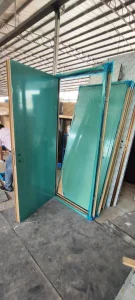
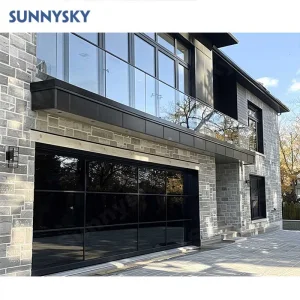
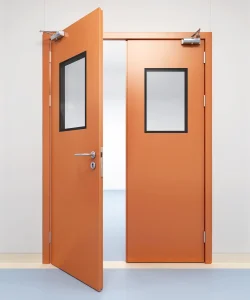
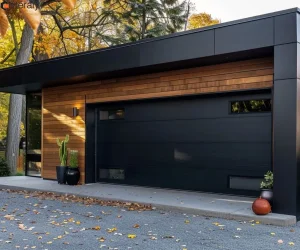
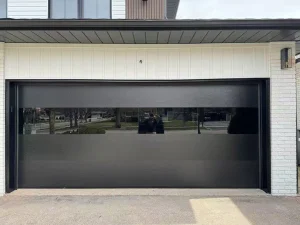
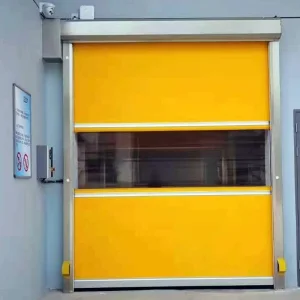
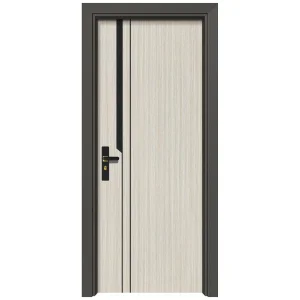
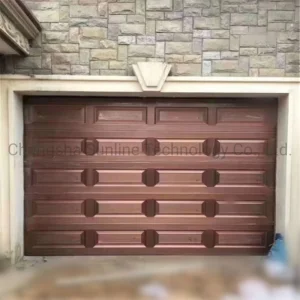
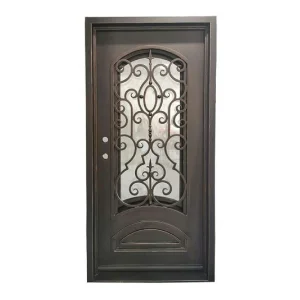
Fiberglass (FRP) entry doors have revolutionized the construction industry, bridging the gap between aesthetic beauty and structural resilience. As modern architectural demands shift toward energy efficiency and durability, manufacturers are pivoting toward advanced composite materials. Unlike traditional wood or steel, fiberglass provides a non-corrosive, dimensionally stable substrate that resists warping, shrinking, and rotting—making it the ideal choice for coastal environments and extreme climates.
The Chinese manufacturing landscape for fiberglass and composite doors has transitioned from bulk production to high-tech, precision engineering. Leading facilities now leverage automated compression molding, ensuring consistent density and surface finish that rivals high-end European imports. Key advantages include:
The fiberglass door industry is currently defined by three key trends: Energy Efficiency, Smart Integration, and Sustainability. Buyers are increasingly requesting doors with higher R-values to comply with stringent LEED and Passive House standards. Furthermore, the integration of smart-lock systems and IoT-enabled entry monitoring is no longer a luxury but a standard requirement for modern residential developments.
For procurement officers and architectural firms, vetting a fiberglass door manufacturer requires a multi-layered approach. Beyond price, the focus must remain on E-E-A-T (Experience, Expertise, Authoritativeness, and Trustworthiness). When analyzing potential suppliers, consider their quality assurance protocols, such as:
We advocate for a holistic "Building Solution" approach. Instead of sourcing doors in isolation, partner with manufacturers who provide complete entry system integration—including frames, weather-stripping, hardware, and automated closing mechanisms. This reduces on-site labor costs and ensures a lifetime of performance without premature failure.
A: Fiberglass offers superior thermal insulation, does not dent like steel, and will never rust or corrode. It provides the aesthetic appeal of wood without the maintenance requirements.
A: Yes. Modern manufacturing allows for intricate embossing, various wood-grain textures, and custom paint finishes that perfectly replicate traditional styles while offering modern performance.
A: Top-tier Chinese manufacturers operate under ISO 9001 quality management systems and perform rigorous stress, thermal, and cycle testing to meet ASTM international standards before shipping.
 YVC Home