The threat of extreme weather events is growing. Choosing the right materials can make a significant difference. The "Best Materials For Extreme Weather" ensure protection and durability in harsh conditions.
When selecting materials, consider their ability to withstand storms, intense heat, and freezing temperatures. For example, metal roofing offers strength against high winds. Yet, it can be prone to rust over time, requiring maintenance. Some might overlook the importance of drainage solutions. Proper drainage materials can prevent water damage during heavy rains.
In addition to strength, insulation is crucial. Materials that provide effective insulation help maintain indoor comfort. However, options like foam can degrade over time. It’s essential to balance initial costs and long-term performance. The quest for the best materials is ongoing. Reflecting on choices can lead to better decisions for future projects.
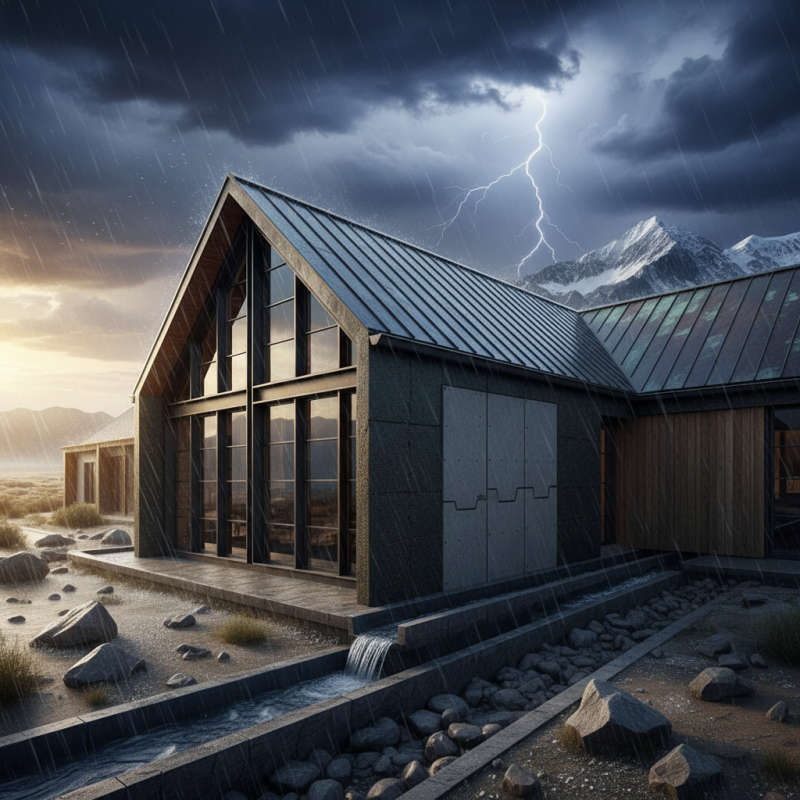
When considering materials for extreme weather applications, several factors come into play. One key aspect is the material's resistance to moisture. For instance, materials that absorb water can deteriorate quickly in wet conditions. Choosing water-repellent materials can enhance durability and longevity. You might want to look for options like synthetic fabrics or treated wood.
Another important factor is temperature fluctuation resistance. Materials need to withstand both high and low temperatures without warping or cracking. Metals and special polymers often perform well in these conditions. Factors like thermal expansion must be understood to avoid future structural issues.
Tips: Evaluate local weather patterns before making decisions. This helps you choose suitable materials for specific conditions. When in doubt, consult with experts who specialize in extreme weather-resistant materials. Always prioritize safety and durability, as these are essential for long-term use.
Extreme weather conditions create significant challenges for materials used in construction and design. Hurricanes, heavy snow, and extreme heat impact structures deeply. Each of these scenarios requires materials that can withstand intense pressure and temperatures. For example, strong winds from hurricanes can damage roofs and windows, leading to costly repairs. Snow accumulation can cause roofs to cave in or leak.
Understanding these extreme conditions allows for better material selection. For instance, water-resistant materials are crucial in areas prone to flooding. Similarly, UV-resistant coatings are important in sunny regions. However, some materials may not perform well under all conditions. A material that excels in cold weather may falter under heat. This imperfection highlights the importance of thorough research and testing when selecting materials for durability.
Choosing the right material also involves considering its lifespan and maintenance needs. A durable material can initially be costlier but save money over time. Yet, there's always the risk of unforeseen weather events. A perfect material for one storm might fail during another. This unpredictability stresses the need for ongoing evaluation and adaptation in material choices.
When facing extreme weather, the choice of materials can make a significant difference in durability and protection. Wind, rain, snow, and heat test the limits of architectural and outdoor construction. For instance, according to the "Journal of Building Performance," materials like reinforced concrete show impressive resistance to high winds. It can withstand gusts up to 150 mph, making it a reliable choice for hurricane-prone areas.
For rain and moisture, water-resistant coatings and treated fabrics are crucial. Materials like synthetic membranes have a high waterproof rating, ensuring structures remain dry. A report by the "National Institute of Standards and Technology" indicates these membranes can reduce water infiltration by over 85%. However, regular maintenance is necessary to preserve their effectiveness.
Tip: Don't overlook heat resistance; materials like reflective roofing can lower indoor temperatures significantly. Proper insulation is equally important to combat varying temperatures. While selecting materials, consider both effectiveness and sustainability. Not every material performs well in all conditions, so careful evaluation is needed. Sometimes, cost-effective solutions may not hold up over time, leading to greater expenses later.
| Material | Weather Resistance | Durability | Applications |
|---|---|---|---|
| GORE-TEX | Waterproof, Windproof | High | Outdoor Gear, Apparel |
| Nylon | Water-Resistant | Moderate | Backpacks, Tents |
| Polyester | Water-Resistant | High | Outdoor Clothing, Tarps |
| Fiberglass | Heat Resistant | Very High | Insulation, Boat Hulls |
| Aluminum | Heat Resistant, Wind Resistant | Very High | Structural Components |
| Polycarbonate | Impact Resistant, Thermal Resistant | High | Glazing, Roofs |
When considering the best materials for extreme weather protection, durability is essential. Various materials perform differently under harsh conditions. For instance, metal roofs offer excellent longevity, but they can be prone to corrosion without proper treatment. Similarly, concrete is incredibly resilient, but it may crack in severe temperature fluctuations.
Synthetic materials, like polymer-based options, often provide a good balance of flexibility and strength. They can withstand heavy rain and intense sunlight. However, some synthetic options may degrade faster under constant UV exposure. Natural fibers, like bamboo and hemp, possess surprising durability in certain climates, but they may require more maintenance over time.
An effective analysis involves examining how these materials perform in real-world scenarios. Environmental factors play a significant role. Local climate, exposure, and maintenance influence overall durability. It's essential to assess these factors when selecting the right material for extreme weather protection. Understanding the pros and cons can guide better choices and reflect on the long-term commitment needed for a resilient structure.
Innovative technologies are reshaping how materials perform under extreme weather conditions. Advanced composites now withstand high temperatures and harsh environments. For instance, NASA’s reported findings reveal that certain polymers can resist temperatures up to 300°C while maintaining structural integrity. This breakthrough is crucial for industries working in severe climates.
The integration of nanotechnology is another game changer. Studies show that nanostructured materials exhibit enhanced durability and resistance to corrosion. For example, titanium dioxide nanoparticles can significantly improve the UV resistance of materials. According to industry data, products enhanced with nanotechnology can see a lifespan increase of 30% or more in extreme conditions.
Yet, challenges remain. Not all innovations are universally applicable. Some materials may excel in specific environments but falter elsewhere. This raises important questions about material selection. Testing protocols must adapt continually. Incorporating feedback from real-world applications is vital for future advancements. The journey towards perfecting material performance is ongoing and reflects the complexities of extreme weather adaptability.
: Extreme weather includes hurricanes, heavy snow, and intense heat. These conditions challenge building materials significantly.
Strong winds can damage roofs and windows. This often leads to costly repairs and increased maintenance needs.
Selecting the right materials allows structures to withstand specific weather challenges. This is crucial for durability.
A material that performs well in cold might not handle heat effectively. This unpredictability requires careful research.
Local climate and maintenance routines can affect how well materials perform. Each situation needs individual assessment.
Yes, they offer flexibility and strength. However, they may degrade under constant sunlight, leading to maintenance issues.
While durable, natural fibers like bamboo may need more care. This could lead to higher long-term maintenance costs.
Initially, durable materials might be expensive. They save money over time, but unpredictable weather can complicate cost-effectiveness.
Regularly reassessing materials helps adapt to changing weather patterns. This is essential for maintaining structural integrity.
Many believe a material works well in all situations. In reality, no material is flawless under every extreme weather condition.
When selecting the best materials for extreme weather, several factors come into play, including the specific weather conditions and their impacts on structural integrity and performance. Different types of extreme weather, such as high winds, heavy rainfall, snow accumulation, and intense heat, can significantly affect material longevity and functionality. A comparative analysis reveals that materials vary widely in their durability against these elements, making it crucial to choose wisely based on the specific environmental challenges faced.
Top materials for weatherproofing include options specifically engineered for resistance to wind, rain, snow, and heat. Additionally, innovative technologies are continually enhancing the performance of these materials, ensuring they can withstand harsh conditions over time. By understanding both the types of extreme weather encountered and the properties of various materials, one can effectively identify the best materials for extreme weather protection and durability.

YVC Home