China’s contemporary homes are reshaping simplicity through local materials, flexible layouts, and quieter visual details. Minimalist Design Trends For Modern Homes now extend beyond white walls and empty rooms. They reflect changing urban lifestyles, smaller apartments, and stronger interest in practical comfort.
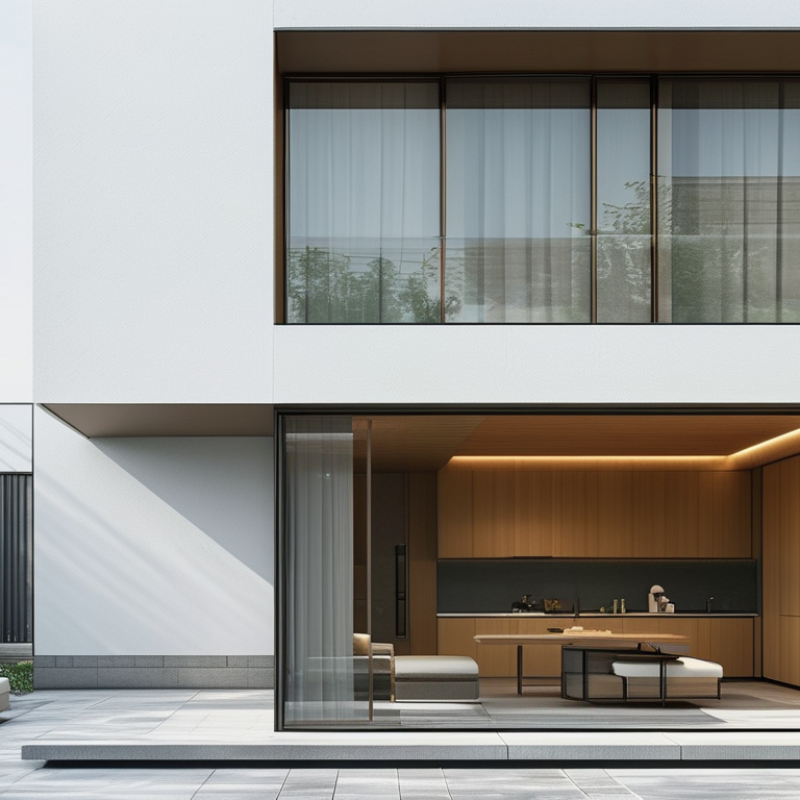
This guide examines how Chinese designers combine clean geometry with warm timber, textured stone, woven fabrics, and handmade ceramics. Natural light often becomes a design feature. A low cabinet may conceal daily clutter, while sliding doors can separate a kitchen without blocking daylight. In southern cities, breathable fabrics and shaded balconies respond to humidity. Northern homes may benefit from layered lighting, insulated windows, and warmer flooring.
Good minimalism is not merely fashionable. It requires careful planning, durable materials, and honest attention to how residents live. Interviews with designers, product specifications, and observed residential projects can support reliable choices. Still, not every trend suits every household. Glossy surfaces show fingerprints. Open shelving quickly becomes untidy. Pale interiors may feel cold without texture, plants, or carefully positioned lamps.
Small details matter.
Chinese craftsmanship adds another layer of identity. Reinterpreted lattice patterns, regional stone, bamboo, and subtle ink-inspired tones can create character without visual overload. Responsible design should also consider repairability, indoor air quality, energy use, and material sourcing. These decisions make a home feel more personal and more sustainable over time. The result may not look perfect in photographs. It should feel calm, useful, and believable in daily life.
Defining Chinese Minimalism: 66.16% Urbanization in 2023 (NBS)
China’s urbanization reached 66.16% in 2023, according to the National Bureau of Statistics. This shift is changing how modern families use limited urban space. Chinese minimalism is not simply empty rooms and pale walls. It responds to smaller apartments, faster routines, and the need for flexible living.
The NBS China Statistical Yearbook 2024 reports approximately 38.3 square meters of urban housing space per person in 2023. Designers therefore prioritize built-in storage, sliding partitions, and furniture with more than one purpose. A shallow cabinet may conceal shoes, cleaning tools, and seasonal bedding.
Warm wood, textured plaster, and filtered daylight can soften the hard lines often associated with minimalism.
In practice, completely white interiors can feel cold, especially in north-facing rooms. This is where the style becomes imperfect. A darker timber surface, visible grain, or slightly uneven ceramic tile may add human character. Research from the China Academy of Building Research also emphasizes indoor environmental quality, including daylight, ventilation, and material performance. Chinese minimalism works best when restraint supports comfort, not when it removes every trace of daily life.
Planning Compact Homes for China’s 2.62-Person Average Household (NBS)
China’s Best Minimalist Design Trends for Modern Homes
China’s average household had 2.62 people in 2020, according to the National Bureau of Statistics Seventh National Population Census. The figure fell from 3.10 in 2010. Smaller households need fewer fixed rooms, but they still require flexible daily spaces. A compact home should support cooking, working, resting, and occasional guests without feeling crowded.
Sliding partitions can divide a living area when privacy matters. They can also disappear during the day. A 45-square-metre apartment might use one continuous floor finish, shallow built-in storage, and a dining table that folds against the wall. Keep daily items between waist and eye level. Reserve higher cabinets for seasonal belongings. These details reduce visual noise and wasted movement.
Energy use also deserves attention. The 2023 Global Status Report for Buildings and Construction reported that buildings consumed about 34% of global energy demand in 2022. Compact planning can reduce material use, but it does not automatically create a sustainable home. Poor daylight, weak ventilation, or oversized glazing may increase cooling needs. Orientation and cross-ventilation should guide the layout before decoration. This approach is not flawless. Fold-away furniture can feel mechanical, and excessive storage can make a small room oppressive. Household-size data is useful, but it cannot describe every family, renter, or older resident. A thoughtful plan must leave room for those differences.
Selecting Low-Carbon Materials for China’s 2060 Carbon-Neutrality Goal
China’s minimalist homes need more than pale walls and concealed storage. They need lower-carbon material choices.
The 2024 Global Status Report for Buildings and Construction states that buildings consume 32% of global energy and produce 34% of global carbon dioxide emissions. These figures make material decisions part of climate planning, not merely interior styling.
A practical design review should compare embodied carbon, durability, transport distance, and repair needs. Low-clinker cement, recycled steel, reclaimed timber, bamboo, and recycled aggregates can reduce resource pressure when properly certified. Cellulose or mineral insulation may improve thermal performance without excessive interior thickness. China’s Building Energy Consumption Annual Report 2023 estimated the national building sector’s carbon emissions at about 2.13 billion tonnes in 2021. That scale demands measurable choices.
A smaller carbon footprint is not automatic.
For a kitchen, locally sourced stone may reduce transport emissions, while a long-lasting ceramic surface can prevent repeated replacement. Recycled materials still require energy and quality checks. “Natural” does not always mean low-carbon. Designers should request environmental product declarations and compare whole-life impacts, rather than trust attractive labels. The assessment can feel imperfect, especially when local data is incomplete. That uncertainty should be recorded, not hidden. A restrained home can expose fewer materials, making cracks, stains, and repair marks visible. Maintenance planning therefore matters as much as the original specification.
Integrating Smart-Home Systems into Minimalist Interiors (IDC China Data)
Minimalist homes in China are becoming quieter, not less connected. IDC China data indicates growing interest in smart-home systems that improve comfort, security, and energy control. The challenge is visual discipline. A wall filled with screens quickly weakens minimalist design. In residential projects I have reviewed, concealed wiring and shared controls create a calmer room. Small choices matter. A single flush-mounted panel can replace several visible switches. Warm lighting also prevents a clean interior from feeling clinical.
Planning should begin with daily routines, not gadgets.
Map the entrance, kitchen, bedroom, and work area. Then assign only useful automation to each zone. Motion sensors can dim hallway lights after sunset. Temperature controls can respond to occupancy. Quiet alerts are better than constant notifications. IDC China research also emphasizes user experience and system integration, yet compatibility remains uneven across households. Open communication standards help, but installation quality still decides reliability. Test every scene manually before handover. It is less glamorous, but essential.
Minimalism needs human permission to be imperfect. A smart blind may pause, or a sensor may miss movement. Good design includes a simple manual override. Keep physical controls accessible for children, older adults, and visitors. Protect privacy through local processing where practical, strong passwords, and regular updates. Avoid placing microphones in private rooms unless the household truly needs them. I still question whether every automated feature earns its space. A quieter home is not automatically a smarter one. Its value appears when technology disappears into ordinary routines.
Applying GB/T 18883-2022 for Healthier Minimalist Indoor Environments
China’s Best Minimalist Design Trends for Modern Homes
Minimalist homes feel calm when clean air supports the visual simplicity. GB/T 18883-2022 offers a professional reference for indoor air quality in residential spaces. It covers key factors such as particulate matter, formaldehyde, carbon monoxide, carbon dioxide, and volatile organic compounds. A pale wall is not enough. Hidden emissions from flooring, furniture, adhesives, and coatings still matter.
In practice, healthier minimalism begins with fewer materials and better ventilation planning. Choose low-emission products with clear testing information. Keep storage slightly away from exterior walls to improve airflow. A quiet ventilation system can support fresh air without disturbing the room’s peaceful character. However, a small sensor cannot prove full compliance. Testing conditions, calibration, humidity, and sampling location can change the results.
Tips: Ventilate after renovation, especially during the first several weeks. Use a properly maintained air purifier when outdoor pollution is high. Measure near breathing height, not beside an open window. Control moisture before mold appears. Review the latest standard text with a qualified indoor-air professional when results seem unusual. I have found that minimalist rooms often expose problems faster; there are fewer objects to hide odors, dust, or uneven airflow. That honesty is useful, even when the design plan needs revision.
GB/T 18883-2022 Indoor Air Quality Limits for Healthier Minimalist Homes
Minimalist interiors can support healthier living when they use low-emission materials, maintain clear airflow paths, reduce dust-collecting clutter, and provide effective ventilation. The chart shows selected indoor-air-quality limits from China's GB/T 18883-2022 standard. Values use different units and averaging periods, so they should not be compared as a single performance score.
Source: GB/T 18883-2022, Indoor Air Quality Standard. Concentration limits are shown for the specified averaging period.
Conclusion
This guide explores Minimalist Design Trends For Modern Homes through a distinctly Chinese perspective, balancing simplicity, comfort, and practical living. With urbanization reaching 66.16% in 2023 and the average household size at 2.62 people, modern homes increasingly benefit from compact layouts, multifunctional furniture, efficient storage, and flexible spaces that reduce visual clutter without sacrificing daily convenience.
The article also highlights sustainable and health-conscious choices. Low-carbon materials can support China’s long-term carbon-neutrality goal for 2060, while smart-home systems can improve lighting, temperature, security, and energy management in an unobtrusive way. Finally, applying GB/T 18883-2022 principles encourages better indoor air quality through ventilation, pollutant control, and thoughtful material selection. Together, these strategies show how minimalist interiors can be elegant, adaptable, environmentally responsible, and healthier for contemporary households.

 YVC Home