How to Measure for Replacement Doors China Top 10 Guide

Time:2026-10-31 Author:Madeline
0%

Choosing replacement doors from China can offer many styles, materials, and price points. Accurate measurements help you compare products and avoid costly fit problems. How To Measure For Replacement Doors begins with the opening, not the old door alone. Existing doors may have been trimmed, altered, or fitted around uneven walls.

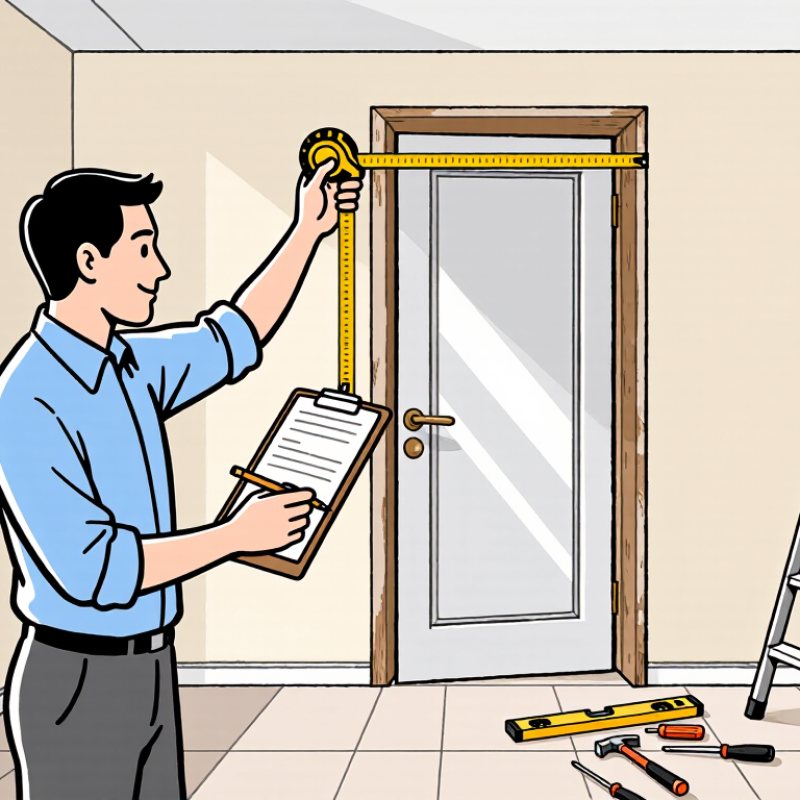
Measure the opening width at the top, middle, and bottom. Record each result, then use the smallest measurement when checking fit. Measure the height on both sides and near the center. Note the shortest result. Check the wall depth, frame condition, threshold, and swing direction as well. A tape measure, pencil, and clear notes are essential. Small details matter.

This guide connects those measurements with a practical review of China’s top 10 replacement-door options. A ranked list can help narrow choices, but it cannot confirm that a particular door will suit your opening. Specifications, available sizes, frame requirements, and installation methods vary by supplier. Ask manufacturers to confirm dimensions in writing, including units and any stated tolerances. Share photos or a simple sketch if the opening is irregular. Measurements are easy to misread, even when they seem obvious. Recheck them before ordering, and consult a qualified installer when the frame is damaged or unusually shaped. A little doubt here is useful; it can prevent an expensive mistake later.
How to Measure for Replacement Doors China Top 10 Guide

Identify the Door Type and Measurement Points

Identify the replacement type before measuring: slab only, or a complete prehung unit. For a slab, record the leaf’s width, height, and thickness, plus hinge locations and bore position. For a prehung unit, measure the rough opening and jamb depth. Wall thickness can be misleading when trim, drywall, or uneven finishes are present. Note the handing, swing direction, and whether the door is single or double. Small errors matter.

Measure width at the top, middle, and bottom; measure height at both sides and the center. Record every reading in millimetres, then use the smallest opening measurement when checking fit. Check jamb depth at several points, too. A tape can tilt, and that is easy to miss. The U.S. Department of Energy’s Energy Saver guidance estimates that windows account for 25–30% of residential heating and cooling energy use; this is not a door-specific figure, but it shows why accurate sealing deserves attention. If the frame is twisted or the floor slopes, note it rather than assuming the opening is square. Recheck uncertain readings before ordering.

Gather Tools and Prepare the Existing Doorway

Gather tools before disturbing the doorway. A steel tape measure, small level, framing square, pencil, notepad, and flashlight are useful. Keep a step stool nearby if the head of the opening is difficult to reach. A camera can also record hinge positions, door swing, and trim details. These notes may help when discussing a replacement with a supplier.

Clear the area around the existing door. Move rugs, furniture, and hanging items that could obstruct measuring or catch on the door. Check whether the old door, casing, and hardware should remain in place; removing trim too early can damage it and change what you are measuring. Wipe dust from the visible edges, and look for loose hinges or a sagging door. Take a moment. A doorway can appear straight while its frame is not.

Write down anything that looks unusual, such as a sloping floor, cracked trim, or uneven gaps around the door. Use the level and square as reference tools, not as proof that the opening is perfectly aligned. I have seen small details overlooked when people rush to gather measurements; a quick photo and a clear note can prevent confusion later. Keep the tools together, and leave enough room to work safely.

Measure Door Width, Height, and Thickness

Before ordering a replacement door, decide whether you are measuring the existing door slab or the framed opening. These are not interchangeable measurements. For a slab replacement, measure the door itself, not the gap around it. Use a tape measure and record every reading in one unit, such as millimetres. Write it down.

Measure the width near the top, at the centre, and near the bottom. Then measure the height along both sides, from the top edge to the bottom edge. Older doors and frames can be slightly uneven. If readings differ, note each one rather than choosing the most convenient number. I would not assume the opening is square just because it looks that way.

Measure thickness at the door edge, away from hinges or raised trim. Check more than one spot if the edge appears worn or painted unevenly. Include the actual door material, but not loose seals or weatherstripping. A small difference can affect hinge fit and closing. If you are replacing the complete frame, measure the rough opening as well, and confirm which dimensions the supplier needs. Rechecking is a little tedious, but one rushed measurement can mean a door that binds.

How to Measure for Replacement Doors: Width, Height, and Thickness

Example measurements for one door: 910 mm wide, 2,040 mm high, and 44 mm thick. Measure width at the top, middle, and bottom, and height at both sides and the center. Use the smallest width and height readings when checking the opening, and measure the door edge for thickness. These figures are illustrative; measure your own door before ordering.

Check the Frame, Jamb, Swing, and Clearance

How to Measure for Replacement Doors China Top 10 Guide

Check the frame, jamb, swing, and clearance before ordering a replacement door. Measure the opening width at the top, middle, and bottom, in millimeters. Record the smallest figure. Measure height on both sides and at the center, from the finished floor to the frame head. Old openings are often uneven. I have seen a few millimeters change whether a door closes cleanly.

Measure jamb depth from one finished wall surface to the other, excluding decorative casing. Note whether the frame is damaged, twisted, or loose; measurements cannot correct a failing frame. Check the swing by sketching the hinge side and the direction the door opens. Supplier terms for handing may vary, so confirm the drawing before approving production. Allow room for floor coverings and thresholds, and check nearby walls, cabinets, and handles.

Tips: Use a rigid tape and write each measurement down immediately. Take a photo with the tape visible. Do not guess. Recheck the smallest opening measurement, even if the wall looks square.

How to Measure for Replacement Doors China Top 10 Guide - Check the Frame, Jamb, Swing, and Clearance

Use this checklist to record the existing opening and frame before ordering a replacement door. Measure in millimeters or inches, use the same unit throughout, and provide the actual measurements rather than relying on nominal door sizes.

No. Measurement How to Measure Record Check Before Ordering
1 Door opening width Measure between the inside faces of the frame at the top, middle, and bottom. Keep the tape level. Top: ____
Middle: ____
Bottom: ____
Use the smallest reading when assessing available width. Note any variation or out-of-square frame.
2 Door opening height Measure from the finished floor or threshold to the underside of the head jamb at the left, center, and right. Left: ____
Center: ____
Right: ____
Use the smallest reading when checking fit. Account for flooring, carpet, and threshold conditions.
3 Existing door slab If the door can be removed, measure its width, height, and thickness. Measure the slab itself, not the frame. Width: ____
Height: ____
Thickness: ____
Compare slab dimensions with the frame measurements; do not assume the old slab is a standard size.
4 Jamb depth Measure from the interior face of the jamb to the exterior face, excluding trim or casing. Top: ____
Hinge side: ____
Latch side: ____
Check wall thickness and whether the replacement frame or jamb can cover the existing wall opening.
5 Frame and opening condition Inspect both side jambs and the head jamb for damage, swelling, rot, loose fixings, or uneven surfaces. Condition: ____
Repairs needed: Yes / No
A replacement slab may not fit a damaged, twisted, or badly uneven frame. Record whether the frame will also be replaced.
6 Frame plumb and square Check each jamb with a level. Compare the two diagonal measurements across the opening to identify out-of-square conditions. Diagonal A: ____
Diagonal B: ____
Jambs plumb: Yes / No
Unequal diagonals or out-of-plumb jambs can cause binding and uneven gaps. Report the measurements to the installer or supplier.
7 Hinge positions and size Record the number of hinges, their dimensions, and the distance from the top of the door to each hinge edge. Hinge count: ____
Size: ____
Top-edge offsets: ____
Confirm hinge type, mortise position, and hardware compatibility if reusing the existing frame or hinges.
8 Swing and handing Stand on the side where the door swings toward you. Note whether the hinges are on the left or right; also record the direction the door opens. Hinges: Left / Right
Opens: In / Out
State the viewing side when describing handing. Confirm swing direction against the room layout and nearby walls or fixtures.
9 Floor and threshold clearance Measure the gap beneath the existing door at both ends and the center. Check floor changes along the full swing path. Left: ____
Center: ____
Right: ____
Required clearance depends on the floor finish, threshold, door type, and applicable building requirements. Confirm before trimming or ordering.
10 Hardware and obstructions Record the lock or latch backset, handle height, strike-plate position, and nearby obstructions such as trim, furniture, or steps. Backset: ____
Handle height: ____
Obstructions: ____
Verify hardware preparation and that the door can open fully without hitting adjacent surfaces or objects.

Measurement note: Take measurements at multiple points and label the units clearly. A door’s final size and required clearances depend on the existing frame, installation method, door construction, and local requirements; confirm the order dimensions with the installer or supplier before manufacture.

Verify Measurements Before Ordering from a China Supplier

Before ordering replacement doors, measure the opening—not just the old door. Record width at the top, middle, and bottom, then measure height on both sides and in the center. Use a metal tape and note every reading in millimeters or inches. Keep the units consistent. Small differences matter.

Check the opening for square by comparing its diagonal measurements. Also record wall thickness, jamb depth, sill condition, and which way the door swings. A quick sketch with labeled dimensions can prevent confusion. Photos help, but they cannot replace written measurements. Even careful measuring can miss a bowed frame; it happens.

Send the full measurement set to the China supplier and ask which dimensions they need for production: opening size, frame size, or finished door size. Do not assume these are interchangeable. Request a written drawing that shows handing, panel layout, frame depth, and installation clearances. Compare it against your notes before approving production. If a dimension looks uncertain, remeasure it or ask a local installer to check. Confirm how the supplier handles measurement tolerances and unit conversion, too. One overlooked detail can leave a door difficult to fit.

FAQS

What tools should I gather before measuring a doorway?

Use a metal tape, small level, framing square, pencil, notepad, and flashlight. Keep a step stool nearby.

Should I measure the old door or the opening?

It depends on the replacement. Measure the door slab for a slab replacement; measure the rough opening for a complete frame.

Where should I measure the door’s width?

Measure near the top, centre, and bottom. Record every reading, even when the numbers differ.

How do I measure door height and thickness?

Measure height along both sides. Check thickness at the edge, away from hinges and raised trim.

How can I check whether the opening is square?

Compare the two diagonal measurements. A quick sketch helps, though I might still miss a bowed frame.

What other doorway details should I record?

Note wall thickness, jamb depth, sill condition, door swing, and uneven gaps. Take clear photos too.

Which measurements should I send to a supplier?

Send the full set and ask whether production needs the opening, frame, or finished door dimensions. Keep units consistent.

What should I review before approving production?

Check a written drawing for door swing, panel layout, frame depth, and installation clearances. Recheck uncertain measurements. It’s tedious, but useful.

Conclusion

This guide explains How To Measure For Replacement Doors accurately before placing an order. Start by identifying the door type and deciding which dimensions are needed: the door slab, the rough opening, or the frame. Gather a tape measure, level, and notepad, then clear the doorway so you can reach the relevant edges. Measure the width and height at several points, recording the smallest usable dimensions, and check the door’s thickness as well.

Measurements alone may not reveal whether a replacement will fit. Inspect the frame and jamb for damage or unevenness, note the door’s swing direction, and allow for floor clearance and nearby trim. Before ordering from a China supplier, compare your notes, repeat any uncertain measurements, and confirm which dimensions and specifications the supplier requires. Careful checks can help prevent sizing errors and make it easier to choose a door suited to the existing opening.

Madeline

Madeline

Madeline is a dedicated marketing professional with a wealth of expertise in our company's core offerings. With a keen understanding of the industry, she brings a unique perspective to her role, consistently delivering high-quality content that highlights the superior aspects of our products. As......