Top 10 Differences Between Residential and Commercial Door Standards?

Time:2026-05-03 Author:Henry
0%

In the realm of architecture and construction, understanding "Residential Vs Commercial Door Standards" is crucial. The differences between these two sectors have significant implications for safety, accessibility, and overall functionality. According to industry reports, commercial buildings often face higher foot traffic than residential spaces, leading to different durability requirements for doors.

Moreover, the material used for commercial doors often emphasizes security and fire resistance. A recent study indicates that up to 70% of commercial buildings prioritize these features, while many residential spaces focus on aesthetics and insulation. This divergence not only highlights the varying needs of each sector but also stresses the importance of compliance with specific codes and standards.

It's essential to recognize the areas where confusion may arise. Homeowners may not fully understand that commercial standards can be more stringent. This gap can lead to inadequate installations if not properly addressed. As we delve into the top 10 differences, we will explore how these standards shape the environments we inhabit, influencing both safety and comfort.
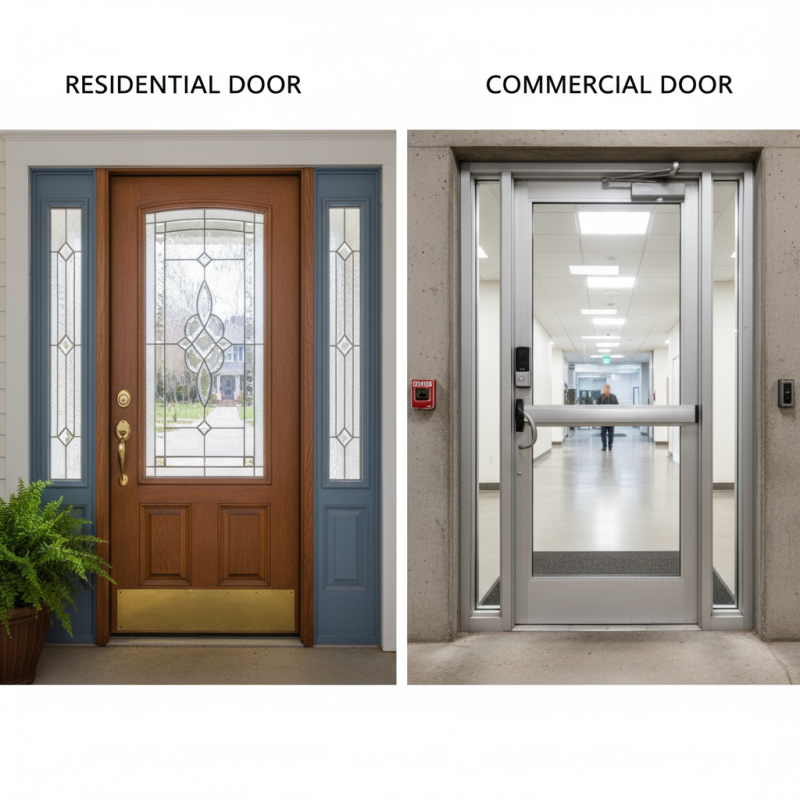
Top 10 Differences Between Residential and Commercial Door Standards?

Overview of Residential Door Standards

When considering residential door standards, the focus is on functionality, aesthetics, and security. Homes often require doors that enhance curb appeal while providing adequate safety. The materials used for residential doors vary widely, ranging from wood to fiberglass and steel. Each material has unique properties that affect durability and maintenance.

Residential doors must meet specific building codes. These codes ensure that doors provide good insulation and energy efficiency. Fire ratings are also crucial. Some residential doors are designed to resist fire for a limited time, enhancing safety for occupants.

**Tip:** Always check local regulations before installing doors. Compliance is key to avoiding fines and ensuring safety.

Another factor to consider is user accessibility. Doors should be easy to operate for all residents. This includes ensuring adequate width for wheelchairs and strollers. Poorly designed doors can create barriers, making everyday living difficult.

**Tip:** Evaluate your home's flow. The right door can make a significant difference.

In summary, understanding residential door standards is vital. They not only influence the home's appearance but also its functionality and safety. Reflecting on your door choices can lead to a more functional and inviting living space.

Overview of Commercial Door Standards

Commercial door standards are critical in ensuring safety and functionality. These standards often differ significantly from those for residential doors. According to the International Door Association, commercial doors tend to have more rigorous requirements concerning durability and safety features. For instance, they are designed to withstand higher traffic levels and frequent use. This contrasts with residential doors, which prioritize aesthetics and ease of use.


When considering commercial doors, one must pay attention to materials and construction. Steel doors are commonly used for their strength and fire resistance. A report by the Steel Door Institute indicates that steel doors can withstand extreme conditions and have a lifespan exceeding 30 years. The thermal performance is also vital; energy-efficient doors help reduce heating and cooling costs, making them a wise investment.


Tips: Ensure that the installation of your commercial door complies with local building codes. Regular maintenance can prolong your door’s lifespan, ensuring it remains safe and functional. Take time to assess your specific needs before selecting a door, as an ill-fitted option can create security risks.

Key Design Differences in Residential and Commercial Doors

When considering the design differences in residential and commercial doors, the functionality and safety features often differ significantly. Residential doors typically focus on aesthetics and energy efficiency. They prioritize style and thermally insulated materials. According to the American Architectural Manufacturers Association, residential doors account for nearly 30% of energy loss in homes. This highlights the importance of good design in keeping homes comfortable.

In contrast, commercial doors emphasize durability and security. They must withstand high traffic, weather conditions, and potential security threats. The National Institute of Building Sciences notes that commercial doors often require specific standards for fire ratings and wind resistance. In many cases, these doors use stronger materials like steel or fiberglass to meet safety regulations, which can outweigh design considerations.

Moreover, the installation process also differs. Commercial doors may need special hardware and precise installations to comply with local building codes. This complexity often leads to longer project timelines. Residential door installations often allow for more flexibility, though they too require attention to detail. Overall, these factors illustrate the distinct priorities in design and performance between residential and commercial doors, reflecting the unique needs of their environments.

Top 10 Differences Between Residential and Commercial Door Standards

Material and Durability Standards Comparison

When comparing residential and commercial door standards, material and durability are crucial. Residential doors often use lighter materials like wood or fiberglass. These options are cost-effective but may not withstand heavy wear and tear. In contrast, commercial doors frequently utilize steel or reinforced fiberglass. These materials are engineered for increased security and endurance.

Durability standards differ significantly between the two types. Residential doors typically face fewer stresses. They need to stand up against everyday use and weathering. However, commercial doors must endure frequent traffic and possible impacts. They are tested for impact resistance and rated for higher security levels. These standards ensure they can handle rigorous demands.

It’s noteworthy that there can be weaknesses in both standards. Some residential doors may lack the robustness required for security. Commercial doors, while durable, can suffer from rust or corrosion over time if not properly maintained. Evaluating these materials and standards is essential for choosing the right door. It's not just about the initial cost but the long-term functionality and safety they provide.

Safety and Security Features: A Side-by-Side Analysis

When it comes to door standards, residential and commercial requirements can differ significantly. In terms of safety, commercial doors often feature advanced locking mechanisms. These mechanisms provide enhanced security for businesses, deterring unauthorized access. Residential doors tend to use simpler locks, which may not provide the same level of protection.

Security features also vary. Commercial doors frequently include reinforced materials. They may be equipped with panic bars or emergency exit devices, ensuring safe evacuation during emergencies. Residential doors typically prioritize aesthetic appeal. Their focus is on comfort and style rather than strict adherence to industry standards.

Tips for homeowners include evaluating their door security regularly. Installing a deadbolt can add an extra layer of protection. Consider using a door viewer to enhance visibility. For business owners, it’s essential to keep up with codes and regulations governing commercial properties. Regular inspections can catch any wear and tear, ensuring safety remains a priority. Don’t overlook the importance of door maintenance for both residential and commercial properties. Regular checks can prevent potential security lapses.

FAQS

: What are commercial door standards?

: Commercial door standards ensure safety and functionality. They differ significantly from residential door requirements.

Why are commercial doors designed for higher traffic?

They withstand higher traffic levels and frequent use. This is crucial for businesses with heavy foot traffic.

What materials are commonly used for commercial doors?

Steel is common for its strength and fire resistance. Reinforced fiberglass is also used for durability.

How long do steel doors typically last?

Steel doors can last over 30 years with proper maintenance. They endure extreme conditions well.

What should you consider when choosing a commercial door?

Consider materials, construction, and specific needs. Poor fit can create security risks.

How do residential and commercial door standards differ?

Residential doors often use lighter materials. They focus on aesthetics rather than heavy usage and security.

What maintenance is important for commercial doors?

Regular maintenance prevents rust and corrosion. This prolongs lifespan and maintains safety features.

Are there weaknesses in either type of door?

Yes, some residential doors lack security robustness. Commercial doors may corrode if not maintained.

How can energy efficiency impact door choice?

Energy-efficient doors reduce heating and cooling costs. They can be a wise long-term investment.

What impact can ill-fitted doors have?

Ill-fitted doors can create serious security risks. Assessment before selection is crucial for safety.

Conclusion

The article "Top 10 Differences Between Residential and Commercial Door Standards" delves into the essential distinctions between residential and commercial door standards. It begins with an overview of residential door standards, highlighting their design principles and regulatory compliance that prioritize comfort and aesthetics for homeowners. Conversely, the overview of commercial door standards emphasizes functional durability and compliance with safety regulations suitable for high-traffic environments.

Key design differences are explored, showcasing how residential doors focus on style and home integration, while commercial doors prioritize robustness and accessibility. Additionally, a comparative analysis of materials and durability standards reveals that commercial doors are often constructed from stronger materials to withstand wear and tear. Finally, the article presents a thorough side-by-side analysis of safety and security features, underscoring the critical role these elements play in residential vs commercial door standards. Overall, understanding these differences is crucial for choosing the right door solutions for specific needs.

Henry

Henry

Henry is a dedicated marketing professional with a profound expertise in the company's offerings. With years of experience in the industry, he possesses an impressive understanding of the market dynamics and consumer behaviors that drive success. Henry is committed to sharing his insights through......