Many homeowners often ask, "Why Is The Door Making Noise?" This seemingly simple question can uncover complex issues. According to a report by the National Hardware Association, over 50% of door noises stem from poor installation or maintenance. Noisy doors can indicate underlying problems that require attention. Identifying these noises early can save on costly repairs.
Factors contributing to door noise include misalignment, worn-out hinges, or humidity. For instance, a squeaky door may simply need lubrication. In contrast, a persistent banging sound could signal a more serious alignment issue. Understanding the source of noise is essential for effective resolution. It’s crucial to listen carefully and assess the situation thoroughly.
Ignoring door noises can lead to bigger problems down the line. Professionals recommend regular checks and maintenance to prevent these annoyances. A well-maintained door not only functions better but also enhances overall home safety. Learning about your door can empower you as a homeowner.
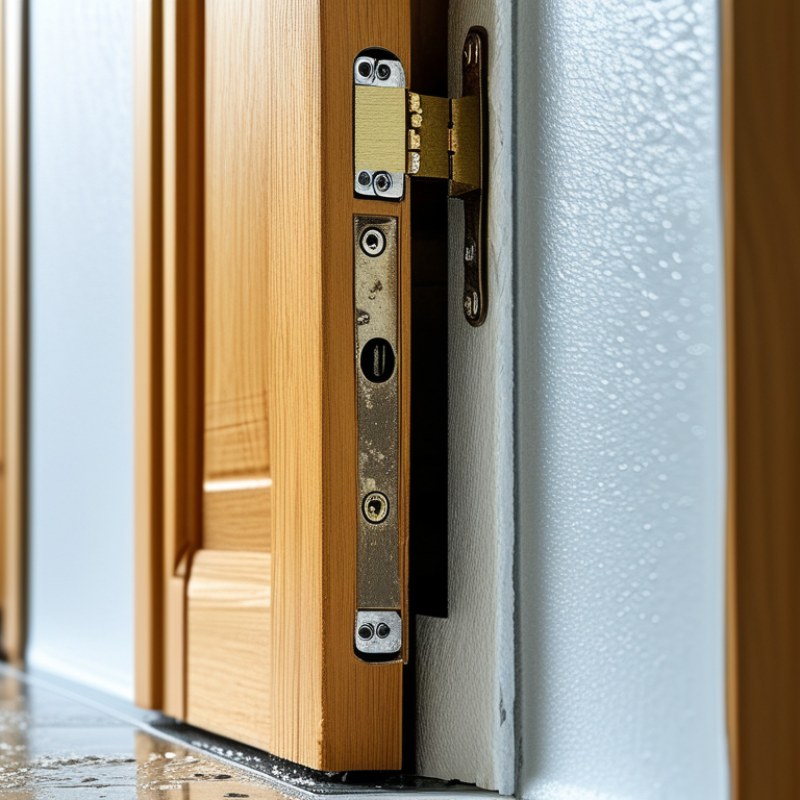
Identifying Common Noises Made by Doors
Doors can produce a variety of noises that signal different issues. One prevalent sound is squeaking, often caused by dry hinges. A study by the National Association of Home Builders found that more than 30% of homeowners experience this issue at some point.
Regular maintenance is crucial, yet many neglect simple lubrication. A few drops of oil can easily alleviate this persistent annoyance.
Another common sound is rattling. This usually indicates loose screws or fittings. If left unchecked, it may lead to more significant problems. According to the American Society of Home Inspectors, about 20% of reported door issues stem from this problem. Regular checks can prevent further wear and tear. Tightening screws is a simple solution but often overlooked.
Thudding noises can signal a door that does not fit properly in its frame. This misalignment may be due to temperature changes or settling of the house. A report from the National Institute of Standards and Technology shows that a significant percentage of homes experience such shifts. Awareness of these noises can lead to timely fixes, reducing the potential for costly repairs.
Possible Causes of Door Noises
Doors can be surprisingly noisy. Various factors contribute to the sounds they make. One common issue is friction between the door and its frame. When the door rubs against the frame, it creates an irritating squeak. This can happen if the door is misaligned or if moisture has caused the frame to swell.
Another possible source of noise is the hinges. Over time, hinges can wear out or gather dust and grime. This buildup results in creaking or grinding sounds when the door is opened or closed. Sometimes, simply applying lubricant can quiet these noises effectively. However, if the hinges are too rusty or broken, replacement may be necessary.
Additionally, the way a door is hung can affect its sound. If the door is not level or properly installed, it can lead to banging noises upon closing. Adjusting the screws or reinstalling the door can help remedy this. Reflection on these issues can lead to effective solutions, but many overlook them until the noise becomes unbearable.
Step-by-Step Diagnosis of the Problem
Hearing a noise from your door can be annoying. Diagnosing the problem involves several steps. Start by identifying the source of the noise. Is it a squeak, a rattle, or a bang? Each sound indicates a different issue. Squeaks often result from friction between door hinges. A rattling noise may be caused by loose screws or a misaligned latch.
To fix a squeaky door, apply lubrication to the hinges. Use a silicone spray or graphite powder for a long-lasting solution. For rattling doors, check the screws. Tighten them if they are loose. If the alignment is off, adjust the hinge placement. Regular maintenance is essential for quiet operation.
Tip: Inspect your door hardware every few months. Dust and debris can accumulate, causing unwanted noise. Address these issues promptly. A well-maintained door can greatly enhance home comfort and security.
Sometimes, a door may still make noise even after you’ve made adjustments. This could indicate a deeper issue, such as warped wood or structural problems. A professional consultation might be needed. Remember, not all noises have easy fixes. It’s worth evaluating the long-term performance of your door.
Effective Solutions for Fixing Noisy Doors
Noisy doors can be annoying. They often creak or squeak when opened or closed. This can be due to various factors such as worn hinges, misalignment, or the door rubbing against the frame. Identifying the source of the noise is crucial for fixing it effectively.
To eliminate that irritating sound, start by checking the hinges. A common solution is to lubricate them. Use a silicone spray or a few drops of oil. Apply it to the hinge pins and move the door back and forth. This should reduce friction and silence the squeaks. However, if the noise persists, it might indicate deeper issues. Sometimes, hinges become loose and need tightening.
Another effective method is to inspect the door alignment. If the door does not close properly or sticks, it may need adjustment. You can use a shim to level the door. Insert shims between the hinges and the door frame. This can solve the problem easily. Yet, not all doors are perfectly level. It may require a few attempts to find the right fit.
Remember, taking the time to fix these small annoyances can make your home more comfortable. A quiet door is a small but significant improvement to your living space.
Noise Levels of Different Door Types
Preventive Measures to Avoid Future Noise Issues
Door noise can be a nuisance. To prevent future issues, it’s important to understand the causes and maintenance techniques.
According to a survey conducted by the Door and Hardware Institute, around 50% of door-related issues stem from improper installation or neglect. Regularly checking the alignment and hinges can help reduce noise significantly.
One effective preventive measure is lubrication. Apply a silicone-based lubricant to the hinges every six months. This simple task can greatly reduce friction, ensuring smooth operation. Noise often arises from rust or dirt buildup in the hinges. Remember, a squeaky door can often indicate neglect.
Consider adjusting the door’s strike plate as well. A misaligned strike plate can cause rattling noises. Use a screwdriver to tweak it as needed. Listening to your door can provide insight into potential problems. Keep an ear out for any changes in sound; this may indicate underlying issues that require attention. A little awareness and maintenance can go a long way in maintaining peace in your home.
FAQS
: Squeaking often happens due to dry hinges that need lubrication.
Over 30% of homeowners report experiencing squeaky doors at some point.
A few drops of oil on the hinges can reduce the squeaking.
Rattling usually signals loose screws or fittings in the door structure.
Regularly check and tighten screws to avoid further wear and tear.
Thudding might indicate that the door is misaligned in its frame.
Temperature changes and house settling can cause doors to fit improperly.
Lubricate hinges every six months to decrease friction and avoid noise.
A misaligned strike plate can cause rattling, requiring adjustment.
Listening to door sounds can reveal issues needing attention sooner.
Conclusion
When homeowners ask, "Why is the door making noise?" they often notice common sounds such as squeaks, rattles, or grinding. These noises can stem from various factors, including misalignment, insufficient lubrication, or wear and tear on hinges. Identifying the specific type of noise and its source is crucial in diagnosing the problem effectively.
To address noisy doors, a step-by-step approach can be taken, starting with a thorough examination of the hinges and latch mechanisms. Solutions may include applying lubricants, tightening screws, or adjusting the door's alignment. Furthermore, implementing preventive measures, such as regular maintenance and lubrication, can help ensure that doors function smoothly and remain quiet in the future, avoiding the repetitive question of why the door is making noise.

 YVC Home