Living near busy streets can be overwhelming. Traffic noise often disrupts daily life. It can affect sleep and concentration. For many, finding effective soundproofing solutions is essential. These Soundproofing Solutions For Busy Streets offer a pathway to tranquility.
Numerous techniques exist for reducing noise pollution. Acoustic panels, for instance, can significantly dampen sound waves. Double-glazed windows are another option. They provide better insulation against outside noise. However, not all solutions are equally effective.
Homeowners may face challenges in implementation. Understanding the limitations of each method is crucial. Consulting with experts can guide residents to the best options. Ultimately, creating a peaceful environment in a bustling area requires both knowledge and effort.
Understanding Noise Pollution from Busy Streets
Noise pollution from busy streets is a significant concern for urban residents. According to the World Health Organization, road traffic noise exposure affects about 20% of the European population, leading to various health issues. High decibel levels disrupt sleep patterns, increase stress, and contribute to cardiovascular problems. Each decibel increase can amplify health risks, making effective soundproofing essential.
Many urban areas lack adequate noise abatement strategies. Existing structures often fail to provide effective barriers against the persistent sounds of passing vehicles and construction noise. Research from the Environmental Protection Agency indicates that urban noise levels can exceed 85 decibels during peak traffic hours. This not only disrupts daily life but also diminishes overall well-being. Residents frequently report challenges in maintaining concentration and relaxation amidst this cacophony.
Implementing soundproofing solutions can vary greatly in effectiveness. Some methods show promising results, while others remain inconsistent. For instance, double-glazed windows can reduce outdoor noise by up to 30 decibels. However, limitations exist, as older buildings may not support such updates. Inadequate funding and awareness also hinder the adoption of comprehensive soundproofing measures. Therefore, addressing urban noise pollution demands continual reflection and innovation in our approaches.
Evaluation of Soundproofing Materials and Techniques
Effective soundproofing in urban areas is essential for creating a peaceful living environment. Many studies highlight the impact of noise pollution on health and well-being. According to the World Health Organization, prolonged exposure to noise can lead to stress, sleep disturbances, and cardiovascular issues. Understanding soundproofing materials and techniques is crucial for mitigating these effects.
Common soundproofing materials include mass-loaded vinyl, acoustic panels, and resilient channels. Mass-loaded vinyl effectively blocks sound waves due to its high density. On the other hand, acoustic panels absorb sound, reducing echo within spaces. A report from the National Institute of Building Sciences mentions that a well-designed soundproofing strategy can reduce noise levels by 30% or more. However, the effectiveness of these materials often depends on proper installation and the specific characteristics of the building. Many residents overlook these factors, leading to inadequate results and potential frustration.
Despite advancements in soundproofing technology, challenges remain. For instance, older buildings may not accommodate modern techniques well. Retrofitting might be required, which can be costly and complex. Additionally, not all materials are eco-friendly, raising environmental concerns. Homeowners must weigh these options carefully, considering both performance and sustainability. There is a need for continuous research in this area to improve existing solutions and address these issues more effectively.
Installation Methods for Effective Sound Barriers
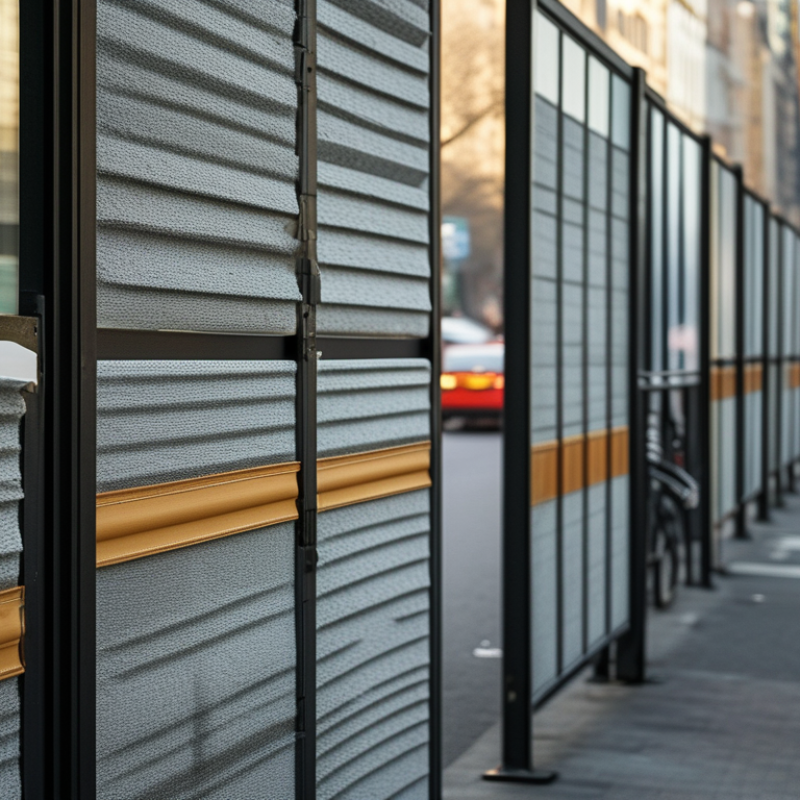
When dealing with noise from busy streets, sound barriers are key. The installation methods vary, but each has its own merits. For instance, a concrete wall can block substantial sound. Yet, this option may not be the most aesthetically pleasing. Many prefer natural barriers, like earth mounds or dense plantings. These add beauty while providing significant noise reduction.
Another approach involves modular sound panels. These can be strategically placed along property lines. They are typically lightweight and easy to install. However, some may find that they do not absorb sound as effectively as heavier materials. In urban settings, combining different methods often yields the best results. Experimenting with various configurations can fine-tune sound absorption.
Furthermore, the effectiveness of soundproofing depends heavily on local acoustics. Each site has unique characteristics that influence sound travel. Therefore, it's crucial to assess these before installation. Many overlook this step, which can lead to unsatisfactory results. By prioritizing structural integrity and proper placement, homeowners can achieve better noise control.
Innovative Soundproofing Solutions for Urban Environments
Urban environments are often vibrant but noisy. Busy streets create a symphony of sounds that can be overwhelming.
Innovative soundproofing solutions can help mitigate this issue,
creating a more peaceful living space. Noise barriers, for example, can effectively block sound from heavy traffic.
These barriers can be made of dense materials or designed as living walls, incorporating plants to enhance aesthetics.
Consider adding soundproof windows.
These windows reduce noise transmission significantly and improve insulation. They are an investment but can elevate comfort levels indoors.
When selecting soundproofing materials, look for acoustic panels. They absorb sound waves effectively and can be customized to fit your decor.
Placing these panels strategically can make a noticeable difference.
Tip: Use rugs and heavy curtains to help absorb noise in your home. They are easy to install and can be stylish.
Experiment with different placements in your space. Sometimes, minor adjustments can yield substantial improvements.
Keep in mind that no single solution is perfect. Combining various methods might be necessary to achieve the best outcome.
Maintenance and Sustainability of Soundproofing Solutions
Soundproofing solutions play a crucial role in urban settings, especially along busy streets. Many methods, such as sound barriers and acoustic panels, can significantly reduce noise pollution. However, maintaining these solutions is essential. Regular inspections can identify wear and tear that might compromise effectiveness. Routine maintenance should include checking for gaps and ensuring the materials remain intact.
Sustainability is also a key consideration. Eco-friendly materials can enhance soundproofing while minimizing environmental impact. For example, recycled products can serve as effective barriers. Yet, sourcing sustainable materials can sometimes be challenging. Awareness of local suppliers and their practices is necessary to ensure sustainability. Ultimately, balancing efficiency and eco-friendliness requires ongoing assessment and adaptation.
Some soundproofing solutions may not perform as expected. Users often report that initial effectiveness diminishes over time. This highlights the importance of proper installation and ongoing care. Engaging with professionals can provide deeper insights into the most effective maintenance strategies. Think critically about your soundproofing choices, and prioritize solutions that align with both performance and environmental responsibility.
FAQS
: Common materials include mass-loaded vinyl, acoustic panels, and resilient channels. Each serves a unique purpose.
A well-designed soundproofing strategy can reduce noise levels by 30% or more, but results depend on installation.
Older buildings may not suit modern techniques. Retrofitting can be costly and complex.
Yes, some soundproofing materials are not eco-friendly. Homeowners should consider sustainable options.
Each site has unique acoustics. Assessing these characteristics is crucial for effective installation.
Regular inspections for gaps and material integrity are essential. Maintenance can significantly impact performance.
Yes, natural barriers like earth mounds can reduce noise significantly while adding beauty.
They are easy to install but may not absorb sound as well as heavier materials.
Experimenting with different configurations and seeking professional advice can enhance results.
Balance between performance and sustainability is key. Ongoing assessment of effectiveness is also necessary.
Conclusion
Effective soundproofing solutions for busy streets are essential in mitigating noise pollution and enhancing the quality of urban living. This article explores the impact of noise pollution, evaluating various soundproofing materials and techniques that can effectively reduce ambient noise levels. The discussion includes installation methods for sound barriers, ensuring maximum efficacy in urban environments where traffic noise is prevalent.
Furthermore, innovative soundproofing solutions are highlighted, focusing on sustainable and maintenance-friendly options that can seamlessly integrate into city landscapes. By prioritizing these soundproofing solutions for busy streets, urban planners and residents alike can contribute to creating a more tranquil and peaceful living environment amidst the hustle and bustle of city life.

 YVC Home