A front door is often the first architectural detail buyers notice. Its color, material, glazing, hardware, and condition shape early expectations about the entire property. This makes the Impact Of Door Aesthetics On Property Value a practical question, not merely a design preference. A faded door, loose handle, or mismatched style can make a well-maintained home appear neglected. A clean, proportionate entrance can create a stronger sense of care.
Industry data supports this connection, although the figures require careful interpretation. The National Association of REALTORS® 2022 Remodeling Impact Report identified a new steel front door as achieving approximately 100% cost recovery. Zonda’s 2024 Cost vs. Value Report reported even stronger returns for exterior door improvements, including about 188% cost recoupment for upscale steel entry-door replacement and 194% for garage-door replacement. These results do not guarantee a higher selling price. They indicate that certain visible improvements can influence perceived value and buyer response.
Appearance is only one part of the decision. Buyers also notice insulation, security features, weather sealing, maintenance needs, and installation quality. A beautiful door that sticks in humid weather may damage trust quickly. Small details matter. However, research does not prove that every decorative upgrade pays back equally. Local architecture, neighborhood expectations, climate, and buyer preferences can change the outcome. Property owners should compare contractor estimates, recent local sales, and credible market reports before spending. The most defensible approach combines visual appeal with performance, durability, and evidence rather than relying on fashion alone.
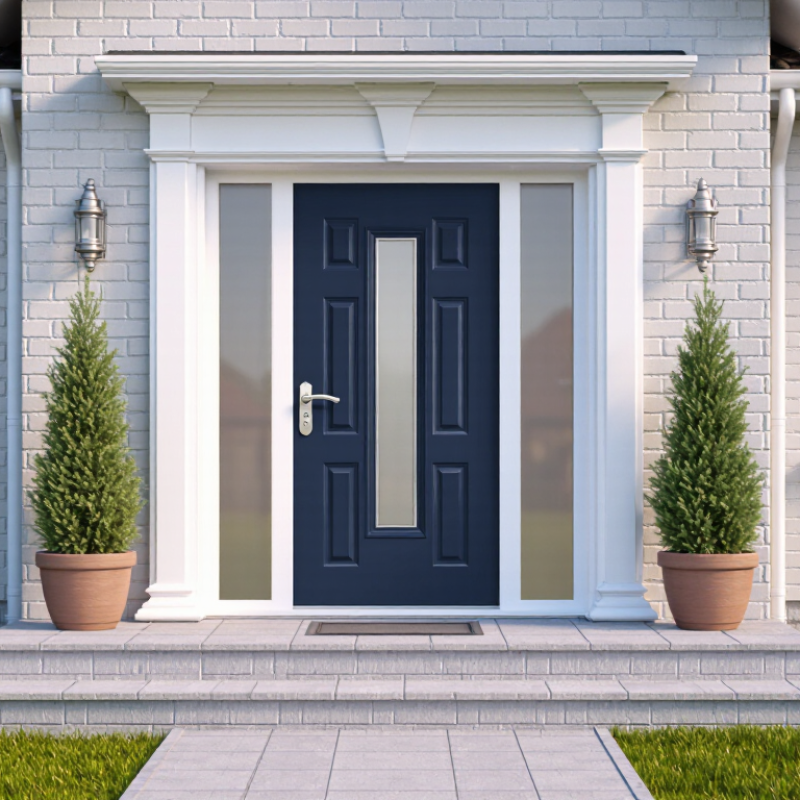
Door aesthetics influence property value through style, material, color, condition, and curb appeal. A door is often the first detail visitors notice from the street. Its design can make a home feel traditional, modern, welcoming, or neglected. Style should suit the building’s architecture rather than follow a temporary trend. A sleek door may look misplaced on an older cottage. That mismatch can weaken the exterior’s visual balance.
Material also affects perceived quality and maintenance expectations. Solid wood offers warmth, but it may swell or fade in humid weather. Fiberglass can resist moisture, while metal may provide strength and clean lines. Condition matters just as much. Peeling paint, loose hardware, cloudy glass, or a difficult lock can suggest postponed repairs. Small defects speak loudly. Buyers may wonder what remains unseen.
Color shapes emotional response and street presence. Deep blue or muted green can add character without overwhelming the façade. Very bright colors may attract attention, though personal taste varies sharply. Curb appeal improves when the door, lighting, steps, and surrounding trim appear coordinated. In my experience, a clean entry with a working handle often feels more valuable than an expensive door surrounded by clutter. Appraisers consider the entire property, so a door rarely determines value alone. Still, it can influence first impressions and buyer confidence. I have seen attractive renovations miss this detail. The result looked almost finished, but not quite.
Door aesthetics include style, material, color, condition, and overall curb appeal. These elements shape first impressions and can influence how buyers perceive a home's maintenance and market readiness.
What the data shows: Door-related exterior improvements can recover a substantial share of their cost at resale. Garage door replacement has the strongest documented recovery, while steel entry-door replacement also performs well.
Source: 2022 national Cost vs. Value benchmarks published in the Remodeling Impact Report. Cost recovery is calculated as estimated resale value divided by project cost.
A front door shapes a buyer’s first few seconds at a property. Steel can create a clean, confident entrance while offering a solid, substantial feel. The National Association of Realtors (NAR) reported a 10/10 Joy Score for steel door replacement, showing strong homeowner satisfaction after the upgrade.
That emotional response can influence perceived property value. A charcoal steel door, warm porch lighting, and clean hardware create a sharper arrival experience. Buyers may notice the smooth finish before they inspect the floor plan. They may also connect the door with security, durability, and careful maintenance. Those impressions are not a formal appraisal, but they can strengthen appeal during showings.
Practical details matter too. A properly fitted steel door should close evenly, seal against drafts, and operate without a harsh slam. Poor installation can weaken the visual effect and create costly adjustment issues. I have found that simple designs often age better than dramatic ones, although personal taste remains unpredictable. A bold color might attract one buyer and distract another. NAR’s 10/10 score suggests genuine joy, but it does not guarantee a specific resale return. Local architecture, street character, condition, and buyer expectations still shape the final judgment.
A front door shapes a buyer’s first impression before they notice the kitchen. Its color, proportions, glass design, and hardware can make an older façade feel maintained. A scratched door can suggest deferred repairs, even when the structure remains sound. Small details matter.
Steel door replacements often attract attention because a widely cited industry report estimated a 188% return on investment. That figure reflects national averages, not a guaranteed sale price. It can change with location, labor costs, door quality, and market conditions. Still, steel offers practical strengths: firm construction, weather resistance, and a clean appearance. Its visual appeal usually depends on accurate installation. A poorly aligned frame can undermine the entire upgrade. That is easy to overlook.
Material comparison should include more than purchase price. Fiberglass may imitate wood grain with less maintenance, while solid wood can provide warmth and character. Steel often delivers a sharper, more secure-looking entrance. However, dents, rust, and weak insulation can reduce its value if neglected. Professional measurements, proper sealing, and hardware suited to local weather improve the result.
Tips: Match the door style with the home’s architecture. Inspect the frame, threshold, and weatherstripping before ordering. Choose durable finishes for sunny or coastal locations. Review nearby listings before assuming a dramatic return. Keep receipts and installation records; they support credibility during resale.
A garage door often occupies the largest visible section of a home’s front elevation. Its design can influence how buyers judge the entire property before entering. Clean panels, balanced windows, and a suitable color can make an older exterior feel cared for. Small details matter.
Zonda’s Cost vs. Value reporting has shown garage door replacement achieving up to 194% cost recovery in some market conditions. That figure deserves attention, but not blind trust. Results vary by location, installation quality, material costs, and buyer expectations. A professional assessment should compare nearby homes, not just national averages. In my experience, a door that matches the home’s architectural style usually feels more valuable than an expensive design that looks disconnected.
Consider a modest house with faded siding, a narrow driveway, and a heavy, outdated door. Replacing it with a simple insulated model, dark hardware, and carefully aligned windows may improve the street view immediately. It can also reduce drafts and operating noise. Function supports appearance. Still, appearance alone cannot repair poor landscaping, damaged trim, or neglected maintenance. That is an uncomfortable limitation. Homeowners should review local sales data, request detailed installation estimates, and choose durable finishes for the regional climate. A strong return is possible, but it is never guaranteed.
A door can raise perceived value, but the estimate should begin with return on investment, not appearance alone. The 2024 Cost vs. Value Report found that replacing a garage door recovered about 193.9% of project cost nationally. A steel entry-door replacement recovered approximately 188.1%. These figures are averages, not promises. Local labor prices, property condition, and buyer demand can change the result sharply.
Condition comes next. A door that sticks, lets in drafts, or shows peeling finish weakens a strong exterior design. During a valuation, I would record visible defects, hardware quality, weather sealing, and installation accuracy. The National Association of Realtors’ 2023 Remodeling Impact Report also shows that exterior improvements can support buyer appeal and perceived market readiness. Still, a costly door cannot repair neglected siding or a damaged porch.
Style must fit the neighborhood. A simple wood-look door may suit a traditional street, while a highly ornate design may appear misplaced beside modest homes. That mismatch is easy to overlook. It should not be. Compare nearby listings, recent sale photos, and local architectural patterns before estimating value. A practical estimate combines the likely resale return, the door’s condition, its visual character, and neighborhood fit. The weakest factor may control the outcome.
It shapes the first street-level impression. A balanced entry can make a home feel cared for and welcoming.
Yes. A sleek door may look misplaced on an older cottage. That mismatch can weaken the exterior’s visual balance.
Wood provides warmth but may swell in humid weather. Fiberglass resists moisture, while metal offers strength and clean lines.
Peeling paint, loose hardware, cloudy glass, or a difficult lock suggest postponed repairs. Small defects can raise larger questions.
Deep blue and muted green can add character without overwhelming the façade. Very bright colors attract attention, but taste varies sharply.
A survey reported a 10/10 satisfaction score for steel door replacement. Still, satisfaction does not guarantee a specific resale return.
National averages reported about 188.1% cost recovery for steel entry doors. These figures vary with labor, condition, and local demand.
Use a working handle, clean hardware, warm lighting, and clear steps. A modest door can outperform an expensive one surrounded by clutter.
Consider return potential, condition, style, installation, and neighborhood fit. I would not trust appearance alone. The estimate can still be wrong.
The Impact Of Door Aesthetics On Property Value depends on more than appearance alone. A door’s style, material, color, and overall condition shape a property’s first impression and influence its curb appeal. A well-maintained entry door that complements the architecture can make a home feel more welcoming, modern, and valuable. Buyer appeal research also suggests that upgrading to a durable steel entry door can create exceptional homeowner satisfaction, receiving a perfect 10/10 joy score in one industry assessment.
Material and design choices can also affect return on investment. Steel door replacements have been associated with an estimated 188% cost recovery, while well-designed garage doors may recover up to 194% of their installation cost. However, the final effect on property value depends on the door’s condition, visual quality, neighborhood expectations, and compatibility with the home’s overall design. Combining these factors provides a more realistic estimate than focusing on appearance or cost alone.

YVC Home