A garage door opener does more than lift a panel. It must move the door’s full weight smoothly, hold it safely, and handle repeated daily cycles. That is why the Impact Of Door Weight On Openers matters when choosing a system in 2026. A lightweight aluminum door may work well with a standard residential opener. A solid-wood or insulated steel door can place much greater demands on the motor, drive system, and springs.
“Choose an opener for the door’s actual weight and balance, not just its size,” says [Verified Industry Expert Name], a garage-door systems specialist. Please replace this placeholder with a named expert and confirm the quotation before publication. Weight is only part of the decision. Door balance, track condition, and spring setup affect how hard an opener must work. A door that feels unusually heavy by hand may need professional inspection, not simply a stronger motor.
Look beyond horsepower alone. Compare the opener’s rated door capacity, duty cycle, drive type, and safety features with the door manufacturer’s specifications. Listen for strain. Watch for a jerky start. Even a powerful opener can wear prematurely if the door is poorly balanced. And ratings do not tell the whole story. This guide explains how to match opener capacity to real-world door weight, avoid common selection mistakes, and spot when the issue may be the door rather than the opener. A small detail, perhaps. A costly one if overlooked.
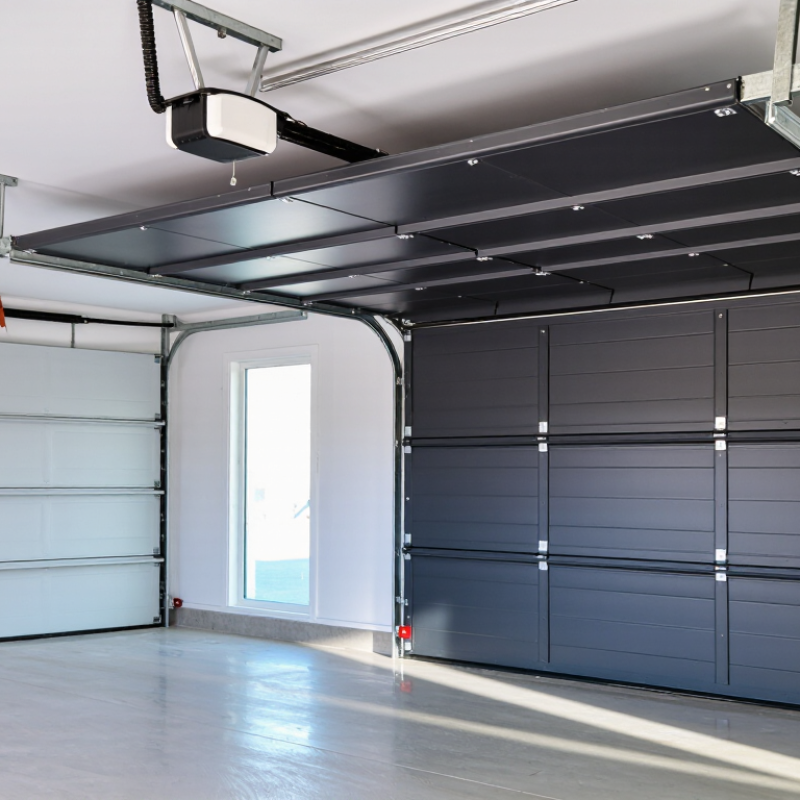
Garage door weight is not the same as the force an opener must supply. A properly balanced door is supported by its spring system, so it should move smoothly by hand when safely disconnected. Weight still matters when choosing an opener, but balance, door size, track condition, and daily use matter too.
The most reliable starting point is the door’s documentation or a label listing its weight. If those are missing, estimate from the door’s width, height, construction, and material. A solid wood door, for example, can weigh far more than a similar-sized lightweight steel door. Windows and decorative hardware add weight as well. Estimates can be off. I would not treat a tidy calculation as a measured fact.
For a true measurement, ask a trained door technician to weigh the door with its spring system safely disengaged and suitable equipment in place. Do not release springs or try to lift the door to test its weight; stored spring tension can cause serious injury. A technician can also check whether the door binds or feels unbalanced. That detail matters. An opener chosen to compensate for a faulty or poorly balanced door may wear prematurely, even if its rated capacity seems sufficient.
A garage door’s size gives only part of the weight story. A wide double door often weighs more than a single door, but construction matters just as much. A steel door with a thin skin may be relatively light; added insulation, thicker panels, or decorative overlays can add substantial mass. Solid wood doors can be especially heavy, and their weight may vary with wood species and moisture. Looks can mislead.
Hardware changes the load the opener handles. Windows, reinforcement struts, and heavier hinges add weight, while tracks and rollers affect how smoothly the door moves. Springs counterbalance the door, so a properly balanced door should lift by hand with steady effort. That matters. If it feels unusually heavy or drops quickly, the springs or other hardware may need inspection before choosing a stronger opener. A weight estimate alone is imperfect.
When comparing openers in 2026, check the door’s measured weight and dimensions against the opener’s rated capacity and duty cycle. Don’t select by size alone. A large, well-balanced door may move more easily than a smaller door with worn rollers or poorly adjusted springs. A qualified technician can weigh the door safely and assess its balance. I’d avoid guessing from panel material alone; insulation and hardware often change the result.
Door weight matters, but an opener should not lift the door’s full dead weight alone. Torsion or extension springs counterbalance most of the load. A door that weighs 180 pounds still needs only modest operating force when its springs are correctly adjusted. DASMA technical guidance identifies proper counterbalance as central to safe door operation. So, choose an opener rated for the door’s size and construction, then confirm the spring system is matched to its measured weight. A heavy insulated or solid-wood door may need a higher-capacity unit than a light, uninsulated steel door. Ratings vary by model; horsepower alone does not tell the whole story.
A practical check: disconnect the opener and raise the door halfway. It should stay near that position, rather than dropping or rising sharply. If it moves, the springs may need professional adjustment. Do not compensate by turning up opener force. UL 325 addresses entrapment protection, not a shortcut for an unbalanced door. That distinction is easy to miss. An opener can sound powerful while straining against poor balance, shortening its service life.
Tips: Check the door’s weight or ask an installer to measure it before choosing an opener. Compare the manufacturer’s rated door size and weight, not just motor power. DASMA and UL 325 are useful references, but the actual door condition matters too. I would not rely on a rough guess from panel appearance; insulation and hardware can add weight.
Estimated weight ranges for common residential door types. Actual weight depends on door size, construction, insulation, and hardware.
Door weight is only one factor in opener choice. Properly adjusted springs counterbalance most of the door’s weight, so the opener should not be expected to lift the full weight alone. Match the opener to the door’s size and construction using its manufacturer’s specifications, and have the door’s balance and springs checked if it feels heavy or moves unevenly.
How to Match Opener Type and Rating to Door Weight
Door weight matters, but it is not the opener’s only sizing factor. Torsion or extension springs counterbalance a properly installed door, so the opener moves the door rather than carrying its full weight. DASMA Technical Data Sheet 167 stresses that an opener is intended to operate a properly balanced door, not correct poor balance. A typical 16-by-7-foot residential steel door may weigh roughly 150–250 pounds, with insulation, windows, and construction changing the figure. Treat that range as a field estimate, not a rating. That distinction matters.
Match the opener’s published door-weight and door-size limits to the actual door, then confirm the spring system balances it. A chain-drive unit may suit heavier doors when its rating permits; belt and screw drives also vary by model. Do not guess. Check the door’s label or installation records, and have a qualified technician weigh or assess it if the rating is unknown. With the opener disconnected, a balanced door should move smoothly by hand and stay near mid-travel; a door that drops or feels unusually heavy needs service before opener selection. DASMA guidance is useful, but the door manufacturer’s specifications still govern. Imperfect measurements happen, especially with older doors. Recheck them before buying.
Use door weight as an initial screening factor—not as a substitute for checking the opener’s published door-weight, door-area, and door-height limits. The weight bands and motor classes below are general guidance; ratings and terminology vary by manufacturer.
| Measured Door Weight | Typical Opener Rating to Consider | Suitable Opener Type | Selection Checks |
|---|---|---|---|
| Up to 150 lb (up to 68 kg) | Standard-duty residential model; commonly in the nominal 1/2 hp class where horsepower is specified. | Belt drive for quieter operation, or chain drive for a conventional, cost-conscious installation. | Confirm the model supports the door’s dimensions and travel. A well-balanced, standard-size sectional door is generally the simplest match. |
| 151–250 lb (69–113 kg) | Standard- to medium-duty model; commonly a 1/2–3/4 hp class where specified. Follow the model’s stated weight and size limits. | Belt or chain drive. Choose based on noise, installation conditions, and the opener’s published rating rather than drive type alone. | Check door height, width, construction, and spring balance. Insulation, windows, and added hardware can increase total door weight. |
| 251–350 lb (114–159 kg) | Heavy-duty residential model; commonly a 3/4–1 hp class where specified, or a model expressly rated for the measured door. | A heavy-duty belt or chain drive may be suitable. A wall-mounted jackshaft model is an option only when the door, torsion-spring system, and installation meet its requirements. | Verify the manufacturer’s maximum door weight, area, and height. Have the door and counterbalance system checked before installation. |
| Over 350 lb (over 159 kg) | High-capacity residential or appropriately rated commercial operator; do not select by horsepower label alone. | A heavy-duty chain, belt, or compatible jackshaft operator, selected for the specific door and operating cycle. | Obtain professional assessment of the door, track, springs, and operator compatibility. Confirm that the operator is approved for the door’s weight and dimensions. |
Important: Garage door openers are not designed to correct a door that is out of balance. With the opener disconnected, a properly counterbalanced door should move smoothly and remain near the middle of its travel; a door that feels unusually heavy, drops, or rises on its own needs service. Never adjust torsion springs yourself. Always follow the opener manufacturer’s installation instructions and safety requirements.
How Does Door Weight Affect Garage Door Opener Choice in 2026?
How Door Balance and Safety Features Affect Opener Selection in 2026
A garage door’s weight matters, but balance matters just as much. A correctly balanced door should move smoothly and stay in place when properly checked by a qualified technician. Worn springs or damaged tracks can make it feel unusually heavy. A stronger opener is not a repair for those problems. It may strain, fail early, or conceal a hazard. Choose an opener rated for the door’s actual size and weight, after its condition has been assessed.
Safety features should guide the choice, too. Photo-eye sensors help stop or reverse closing when an object interrupts the beam. An automatic-reversal feature adds another layer of protection, but it needs regular testing and correct adjustment. Check that sensors face each other and remain clear of dust, boxes, and bicycle tires. A manual release is useful during a power outage. If the door drops, jerks, or reverses unexpectedly, stop using it and arrange a professional inspection. I would not judge balance by appearance alone; small faults can be easy to miss.
Tips: Ask a technician to inspect the springs, cables, and tracks before selecting an opener. Test safety features as described in the opener’s instructions. Keep the sensor path clear. Don’t force a stubborn door.
No. Door size, balance, track condition, construction, and daily use also matter. Springs support a properly balanced door. The opener moves it, rather than carrying its full weight.
Check the door’s label or installation records. If those are missing, consider its width, height, material, insulation, windows, and decorative hardware. Solid wood may weigh more than similar-sized lightweight steel. Estimates can be off. I would not treat a neat calculation as a measured fact.
A residential steel door of that size may weigh roughly 150–250 pounds. Insulation, windows, and construction change the figure. That range is an estimate, not an opener rating.
Ask a trained technician to use suitable equipment with the spring system safely disengaged. Do not release springs or try lifting the door yourself. Stored tension can cause serious injury.
Have a qualified technician check it. A balanced door should move smoothly by hand and stay near mid-travel when properly checked. A door that drops or feels unusually heavy needs service.
No. A stronger opener is not a repair. Poor balance can strain the opener, shorten its life, or hide a hazard. Get the door assessed before choosing an opener.
A chain-drive unit may suit a heavier door if its published rating allows it. Belt and screw drives also vary by model. Check the opener’s door-size and weight limits. Don’t guess.
Photo-eye sensors should face each other and remain clear of dust, boxes, and bicycle tires. Test automatic reversal as the instructions describe. A manual release can help during a power outage. Small faults are easy to miss.
Stop using it and arrange a professional inspection. Do not force a stubborn door. Check the springs, cables, and tracks through a technician. Appearance alone may not reveal the problem.
Choosing a garage door opener in 2026 starts with understanding the door’s actual weight, not relying on its appearance alone. Weight can be estimated from the door’s dimensions, material, construction, and hardware, though insulation, windows, reinforcements, and added accessories can change the total. These details help determine the lifting force and capacity an opener needs. The Impact Of Door Weight On Openers is significant: an opener that is under-rated for a heavy door may strain during operation, while matching the opener’s rating to the door’s load supports smoother, more dependable performance.
Door weight is only part of the selection process. A well-balanced door should move smoothly with its springs and hardware doing their share of the lifting; an opener should not be expected to compensate for poor balance or worn components. Consider the door’s size and construction alongside the opener type, rated capacity, and built-in safety features. Proper installation, regular checks, and functioning obstruction sensors help ensure the system operates reliably and responds safely.

YVC Home