What Are the Best Hidden Hinge Technology Benefits in 2026?

Time:2026-09-30 Author:Amelia
0%

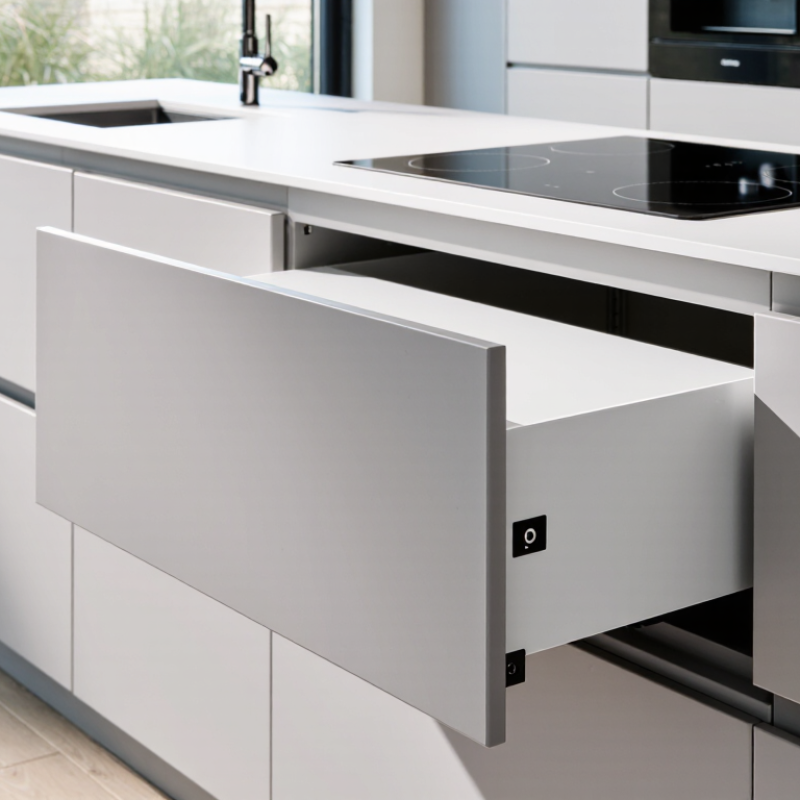
In 2026, Hidden Hinge Technology Benefits will matter far beyond cleaner cabinet doors. Concealed mechanisms can create smoother surfaces, quieter movement, and more flexible interior layouts. They also reduce visual clutter in kitchens, wardrobes, office storage, and architectural doors. The effect is easy to see: a flat panel, a soft closing sound, and no exposed metal interrupting the design.

Donald Norman, a respected human-centred design expert, wrote, “Good design is actually a lot harder to notice than poor design.” That idea fits hidden hinge development closely. When the hinge works well, users notice the room, not the hardware. Designers can also coordinate finishes more carefully, while manufacturers may gain new options for modular construction and repair. However, these benefits depend on accurate installation, suitable load ratings, and consistent adjustment. Technology cannot correct a weak cabinet box or careless measurement.

There is a practical trade-off. Hidden hinges often require tighter tolerances and more planning behind the panel. Service access may also become less obvious. Small detail. That matters.

This guide examines the strongest Hidden Hinge Technology Benefits expected in 2026, including visual integration, movement control, durability, space efficiency, and design flexibility. It will also question common marketing claims. A concealed hinge is not automatically better in every project. Material quality, cycle testing, installer experience, and replacement support remain essential. The best solution may be nearly invisible, but its engineering should never be overlooked. Awareness of those limits supports more reliable decisions for homeowners, architects, cabinetmakers, and commercial fit-out teams.
What Are the Best Hidden Hinge Technology Benefits in 2026?

What Is Hidden Hinge Technology? 3D Adjustment and 110° Opening

Hidden hinge technology places the hinge inside the cabinet and door edge, keeping hardware out of sight when the door is closed. The result is a cleaner front, with fewer visible metal parts to interrupt the cabinet’s lines. It can also make routine wiping easier around the door edge. Small details matter.

Many concealed hinges offer three-dimensional adjustment: height, side-to-side position, and depth. These settings help correct a door that sits too low, leaves an uneven gap, or rubs against the cabinet frame. A screwdriver and careful, small turns are usually more useful than forcing the door into place. Adjustments vary by hinge design, so check the product instructions before fitting or tuning it.

A 110-degree opening angle gives the door useful clearance for reaching shelves and removing items, while avoiding the wider swing of some hinges. In a compact kitchen, that can reduce clashes with nearby drawers or walkways. But 110 degrees is not a promise of universal fit. Cabinet construction, door thickness, neighboring walls, and handle position all affect the real opening. Measure the space before choosing hardware; I have seen a door clear its cabinet neatly but still strike a wall. The hidden mechanism looks simple. Its fit takes thought.

How EN 1935 Load Classes Rate Concealed-Hinge Capacity up to 120 kg

A concealed hinge can look small beside a full-height door, so its load rating deserves careful reading. EN 1935 classifies hinges through an eight-digit code, covering factors such as use category, durability, test-door mass, fire behavior, and corrosion resistance. The load-related class can indicate a tested door mass of up to 120 kg, but that figure is not a universal promise for every concealed hinge.

Check the full classification and the product’s test documentation. A 120 kg rating may depend on the tested hinge size, number of hinges, door dimensions, and installation method. A heavy door also creates leverage: a wide panel can strain fixings more than a narrower one of similar weight. The frame matters. So does the quality of the screw anchorage.

For a practical assessment, compare the proposed door with the exact test conditions, then confirm the manufacturer’s permitted configuration and adjustment limits. Look for evidence that the complete hinge model was tested to EN 1935, not merely a similar-looking version. Real installations are imperfect; doors settle, and fixings may loosen. A generous rating helps, but it cannot replace sound installation and periodic inspection.

How 3D Adjustment Improves Door Gaps, Alignment, and Installation Accuracy

A well-fitted door depends on more than careful cutting. Small differences in the frame, panel, or floor can leave uneven gaps that catch the eye and affect how the door closes. Hidden hinges with three-dimensional adjustment let an installer fine-tune the door’s position in height, sideways, and depth. The hardware stays concealed, while the correction happens at the hinge.

That adjustment is useful during installation and later, when a building settles or a door shifts slightly with seasonal changes. A few careful turns can help even out a narrow gap along the latch side or bring the door face flush with nearby cabinetry. Make small adjustments. Then check the reveal from top to bottom and open and close the door several times. A level helps, but sight and feel matter too.

The mechanism is not magic. Poorly placed hinges, an out-of-square frame, or excessive adjustment can still cause binding or uneven spacing. I’ve found that rushing the final alignment often means repeating the work. Check the hinge instructions and weight limits, and adjust each point gradually. The result should be smooth movement, consistent gaps, and a door that sits where it belongs.

What Are the Best Hidden Hinge Technology Benefits in 2026? How 3D Adjustment Improves Door Gaps, Alignment, and Installation Accuracy

Adjustment Dimension What It Changes Effect on Door Gaps and Alignment Installation Benefit How to Check the Result
Lateral (side-to-side) Shifts the door horizontally relative to the frame. Helps even out the reveal along the hinge side and can correct a door that sits too far left or right. Allows fine alignment after the hinge has been fitted, reducing the need to reposition the door leaf for minor corrections. Compare the visible gap along the hinge side from top to bottom, then open and close the door to check for rubbing.
Height (up-and-down) Raises or lowers the door leaf relative to the frame. Helps align the top and bottom edges and can correct uneven clearance at the floor or head of the frame. Supports final positioning after installation, provided the hinge design includes vertical adjustment. Check the top reveal, bottom clearance, and alignment of the door with adjacent doors or panels.
Depth (in-and-out) Moves the door closer to or farther from the frame or cabinet side. Helps bring the door face flush with surrounding surfaces and can even out the reveal near the hinge side. Enables fine tuning of the door’s seating without relying solely on the initial recess or mounting position. View the door face from the side and check that it sits evenly without binding or excessive projection.
Combined 3D adjustment Uses lateral, height, and depth adjustments together, where supported by the hinge design. Addresses several alignment directions independently, making it easier to achieve consistent gaps and a level door face. Provides post-installation correction for small fitting variations; the available movement and adjustment method depend on the hinge model. Check gaps on all sides, confirm the door opens freely, and verify that fasteners remain secure after adjustment.
Hinge placement and frame condition Determines the starting geometry before adjustment, including hinge position, recess depth, and frame alignment. Accurate placement helps create even gaps; adjustment cannot reliably compensate for a badly out-of-square opening or incorrect machining. Careful marking, drilling, and routing reduce rework and leave more adjustment available for final alignment. Before fitting, check the frame for square and plumb, confirm hinge locations, and follow the hinge manufacturer’s installation instructions.

Note: Adjustment directions, available travel, tool access, and load limits vary by hinge design. Consult the product’s installation instructions, and do not use adjustment screws to compensate for structural frame defects or loose fixings.

Why Soft-Close Hinges Improve Safety in Doors Above 20 kg

Soft-close hinges matter more when a door weighs above 20 kg. A heavy leaf stores considerable momentum during closing. Without controlled resistance, it can slam against the frame, trap fingers, or stress fixing screws. Hidden hinge systems distribute load through concealed pivots and adjustable mounting plates. This keeps the closing path smoother and protects the hardware from accidental impact.

The World Health Organization reports about 684,000 fatal falls worldwide each year. That figure is not door-specific, but it reinforces the value of controlled movement. Soft-close damping slows the final swing, giving users more time to clear the opening. It also reduces noise in bedrooms, clinics, offices, and shared buildings. Small detail. Noticeable daily.

For heavy doors, specification must go beyond appearance. EN 1154 assigns its highest durability grade to hardware tested for 500,000 closing cycles. However, a hinge rated for repeated cycles may still perform poorly if the door is misaligned. I would check door weight, width, frame stiffness, fixing depth, and temperature changes before installation. A 2023 injury-surveillance review from the U.S. Consumer Product Safety Commission also shows why door and frame contact points deserve attention. Soft-close technology is helpful, not magical. Fire-rated doors may require separately certified assemblies, and installers should verify the complete system rather than trust the hinge alone.

Which 2026 Materials Meet ISO 9227 Salt-Spray Corrosion Tests?

In 2026, hidden hinges are becoming more compact, adjustable, and resistant to harsh environments. Their concealed position improves door appearance and reduces accidental impact. Yet the hinge cavity can trap moisture, dust, and cleaning residue. Material selection remains critical.

ISO 9227 is a test method, not a universal pass-or-fail certificate. It measures corrosion behavior through neutral salt spray, acetic acid salt spray, or copper-accelerated testing. Austenitic stainless steel, especially 316L, generally offers strong resistance in coastal conditions. Its molybdenum content helps reduce pitting caused by chlorides. However, poor machining, contaminated tools, or exposed carbon-steel fasteners can still create rust marks.

That detail is often missed. Stainless steel alone is not enough.

Type 304 stainless steel may suit sheltered interiors, but it needs careful evaluation near roads, pools, or sea air. Anodized aluminum can perform well when the coating is uniform and cut edges are protected. Zinc-based alloys usually require reliable conversion layers, plating, or powder coatings before testing. Engineering polymers do not develop red rust, but their load capacity, creep resistance, and hinge-pin wear need separate checks.

For a dependable 2026 hidden hinge, request the exact ISO 9227 exposure time, test solution, preparation method, and failure criteria. Inspect hinge corners and drilled holes under magnification. A polished sample can look excellent after testing, yet hidden corrosion may start inside a joint. Real installations are less controlled than laboratories, and that gap deserves honest attention.

FAQS

What does three-dimensional hinge adjustment change?

It moves the door up or down, sideways, and inward or outward. Small turns matter. Check the gap from top to bottom.

Can adjustable hinges fix uneven door gaps?

They can correct minor alignment differences. An out-of-square frame or misplaced hinge may still cause binding. I’ve sometimes rushed this check and had to repeat it.

Why use soft-close hinges on a heavy door?

Damping slows the final swing and can reduce slamming, noise, and finger-trapping risks. It also limits impact on screws and frame surfaces.

What should I check before fitting hinges to a heavy door?

Check the door’s weight and width, frame stiffness, fixing depth, and hinge limits. A smooth closing action depends on the whole setup.

Does an ISO 9227 test guarantee a hinge will not corrode?

No. ISO 9227 describes salt-spray test methods, not one universal guarantee. Ask about exposure time, solution, preparation, and failure criteria.

Which materials may resist corrosion in damp settings?

316L stainless steel often resists coastal chloride exposure well. Protected aluminum may also suit some settings. Small details matter: exposed steel fasteners can still leave rust marks.

Can stainless steel corrode inside a hidden hinge?

Yes. Moisture and residue may collect in the hinge cavity. Inspect corners and drilled holes closely; a polished surface can hide trouble.

What should I check after adjusting a door?

Open and close it several times, then inspect the gaps and feel for rubbing. A level helps. It does not catch everything.

Conclusion

Hidden Hinge Technology Benefits are becoming increasingly important in 2026 for modern residential, commercial, and interior doors. Concealed hinges provide a clean appearance while supporting practical performance features such as 3D adjustment and a wide 110° opening angle. Three-dimensional adjustment allows installers to fine-tune door height, depth, and side alignment, helping create consistent gaps, smoother operation, and greater installation accuracy. EN 1935 load classes also provide a structured way to evaluate hinge durability and capacity, with suitable concealed-hinge systems supporting door weights of up to 120 kg when correctly specified and installed.

For heavier doors, soft-close functionality can reduce sudden movement, impact, and finger-pinch risks, especially on doors weighing more than 20 kg. Material selection is equally important in 2026, with corrosion-resistant finishes and metals tested through ISO 9227 salt-spray procedures helping improve long-term reliability in humid or demanding environments. Together, these features make concealed hinges a practical solution that combines visual simplicity, safety, adjustability, load support, and durability.

Amelia

Amelia

Amelia is a seasoned marketing professional with a wealth of expertise in our company’s core offerings. With an unwavering passion for driving growth and innovation, she plays a pivotal role in shaping our marketing strategies and enhancing brand visibility. A key aspect of her responsibilities......