The international market for architectural and decorative doors has evolved far beyond basic entryways. In modern structural design, the door system functions as a critical nexus of aesthetics, building physics, security, and climate regulation. As green building standards such as LEED, BREEAM, and DGNB dictate construction priorities globally, architectural doors are expected to satisfy stringent structural parameters. These include high thermal resistance (characterized by low U-factors), acoustic attenuation class ratings (STC ratings), dynamic pressure handling for wind resistance, and verified fire-stopping classifications.
Globally, regional demands specify distinct technological layouts. In Europe, the emphasis resides primarily on thermal break profile optimization, ecological wood preservation, and multi-point security mechanisms. In North America, the market prioritizes impact-resistant architectural glazed doors, wind-load certified sectional overhead garage doors, and heavy-duty commercial metal doors. Meanwhile, fast-developing regions in the Middle East and Asia-Pacific are demanding integrated smart-access architectural systems capable of resisting dust ingress, extreme ambient temperatures, and intensive structural cycle wear.
China has consolidated its status as the world’s leading hub for architectural door manufacturing. This leadership is not built merely on production capacity, but on an integrated, technologically advanced supply chain ecosystem. In industrial zones such as Zhejiang, Guangdong, and Shandong, factories operate with computerized control systems, automated powder-coating lines, and CNC wood-milling machinery. These technologies permit tolerances below 0.1mm, ensuring that even high-volume runs of custom melamine MDF interior doors or full-view aluminum glass doors preserve precise dimensional consistency.
"The integration of localized raw material suppliers—including domestic smelting of 6063-T6 aluminum alloys, advanced chemical processing of architectural-grade PVDF finishes, and precision float glass casting—enables Chinese manufacturers to compress lead times by up to 40% compared to Western competitors."
Furthermore, domestic manufacturing integrates stringent quality control cycles aligned with international standards. Factories comply with international certifications, including ISO 9001, CE marking, Underwriters Laboratories (UL) fire safety testing, and ASTM wind-load requirements. By pairing advanced testing laboratories with highly automated assembly lines, Chinese door factories deliver high-performance doors at competitive price points.
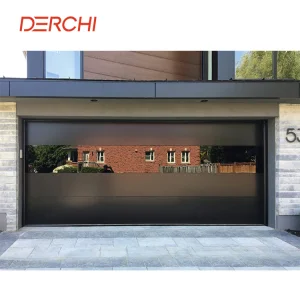
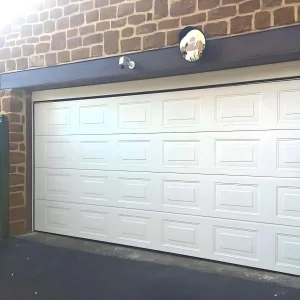
A prime example of engineering excellence in decorative door design is demonstrated by YVC Door. Focusing on architecturally beautiful garage doors, YVC Door has combined aesthetic sophistication with structural resilience, redefining how overhead systems fit into residential and commercial architecture.
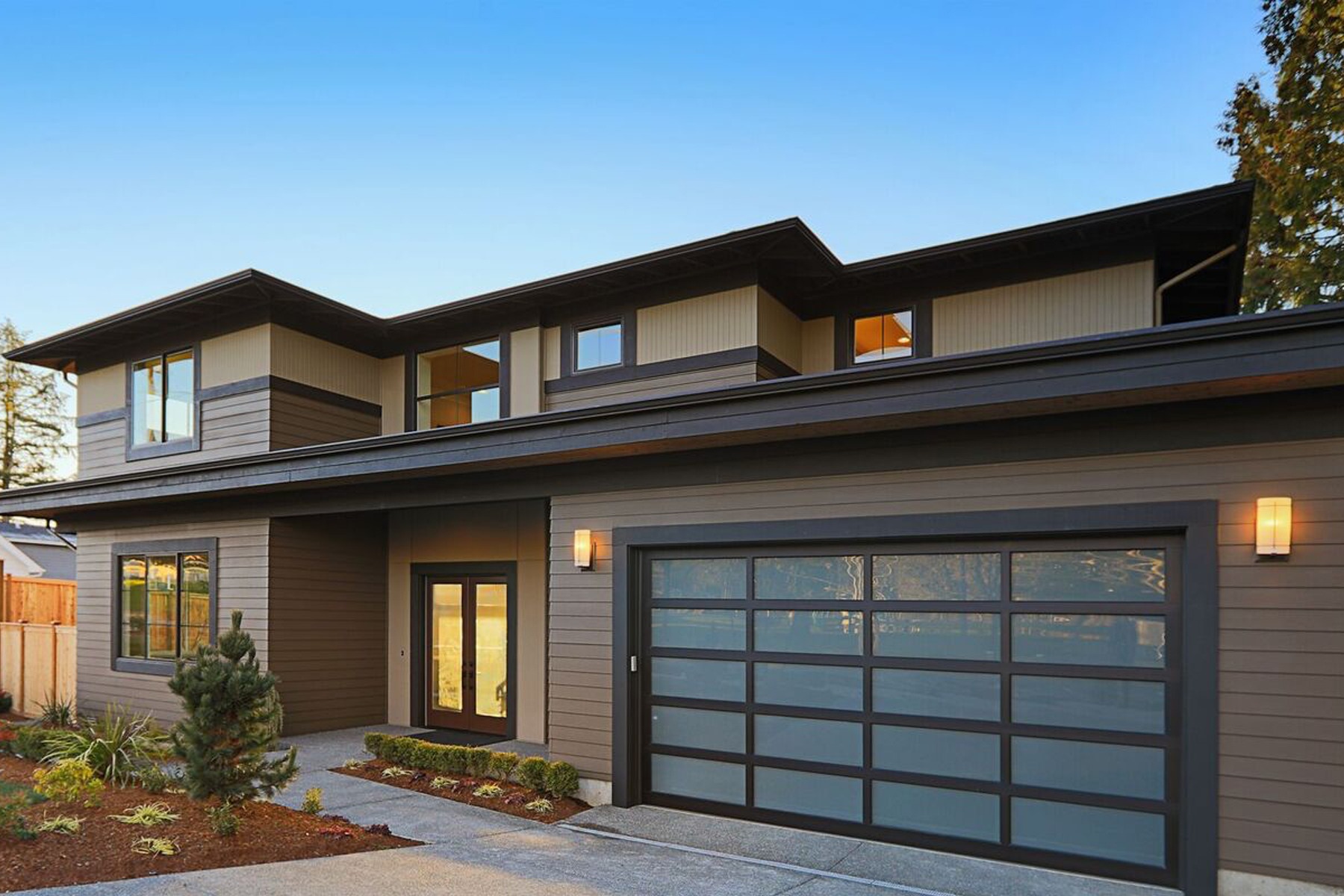
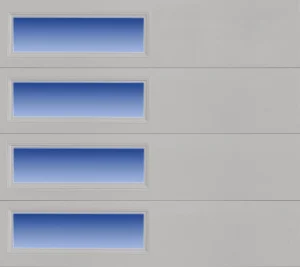
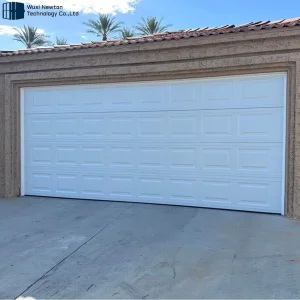
Each day, imagine entering your home through a beautiful, stylish, quality-built garage door. From the inside, whether doing weekend chores, a hobby project, or hosting an evening party that expands into your garage, a quality garage door elevates any home. YVC Door designs and manufactures its doors for long-term durability, structural safety, and customizable style.
The architectural integrity of YVC Door systems relies on specific manufacturing techniques:
YVC Door products are highly customizable, allowing architects and builders to tailor configurations to project-specific requirements:
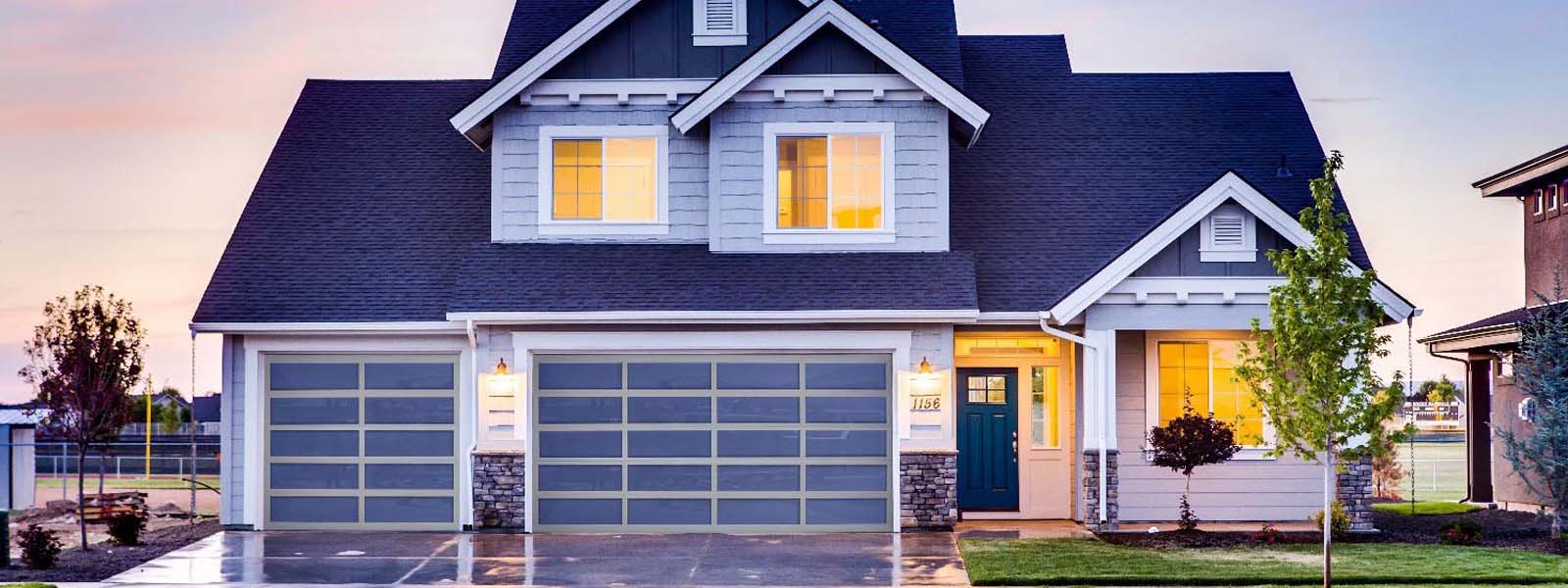
When you choose YVC Door, you're choosing quality, security, and refined style.
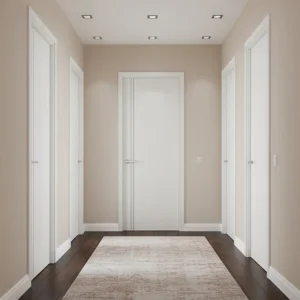
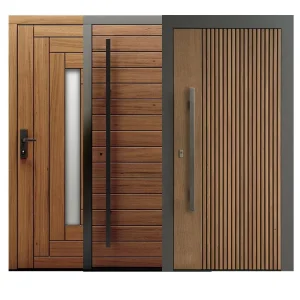
Using solid wood or melamine MDF interior doors, hotels and modern apartments balance interior styling with acoustic performance. Soundproof structures minimize noise transfer between hallways and private rooms, while WPC or PVC edges protect against high-traffic impact and cleaning humidity.
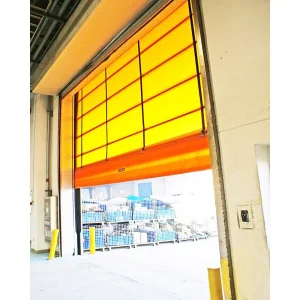
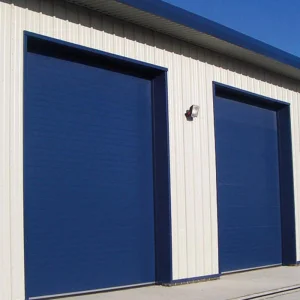
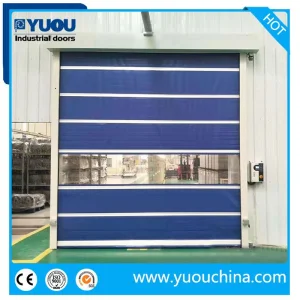
High-speed rolling shutter doors, wind-resistant belt-stacking warehouse doors, and fast-action PVC roll-up doors are designed for heavy-duty industrial settings. These doors minimize cycle times to prevent heat exchange, support cleanroom pressure control, and withstand high wind loads in loading docks.
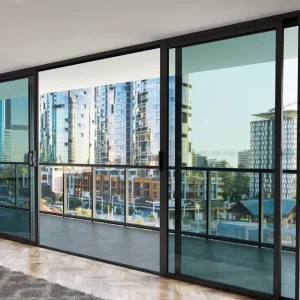
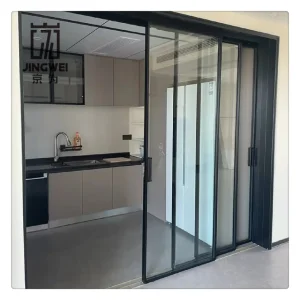
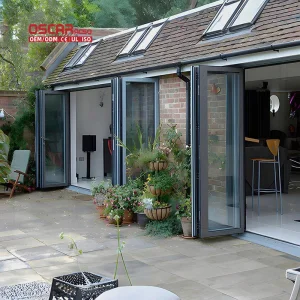
Aluminium double-glazed bifold doors and modern sliding systems create flexible partitions in commercial storefronts and high-end residential balconies. By using thermally broken frame profiles, these glass systems maintain indoor temperature control under variable external weather conditions.
For commercial procurement agents, real estate developers, and architectural contractors, selecting a door manufacturer involves balancing purchase costs with long-term performance. The total cost of ownership (TCO) is influenced by factors like structural integrity, safety compliance, and shipping durability. When sourcing doors internationally, procurement teams evaluate key standards to ensure product quality and alignment with local regulations.
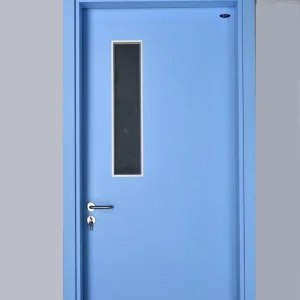
Compliance with regional testing protocols ensures project approval and safety compliance. For example, steel single-leaf fire doors must have verified fire ratings (such as UL 10C, NFPA 252, or EN 1634 classifications) to meet local building codes. In structural applications exposed to outdoor wind loads, mechanical test certificates (like ASTM E330 or EN 12424) are required to verify structural safety against deformation.
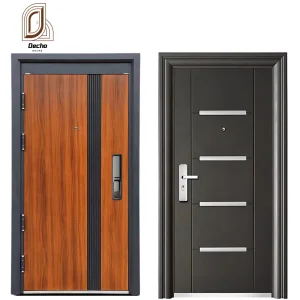
The base materials dictate a door system's resistance to environment-specific wear. Exterior entrance security doors depend on heavy-gauge zinc-galvanized steel sheets to prevent rust, combined with multi-point hook locking systems. Aluminum glass garage doors or bifold assemblies require architectural-grade 6063-T6 alloy extrusion profiles, coupled with tempered safety glass or laminated impact glass to protect against structural impacts and environmental stress.
 YVC Home