Explore our precision-engineered thermal barrier overhead doors, high-speed roll-up doors, and custom architectural enclosures optimized for industrial drying facilities and commercial projects.
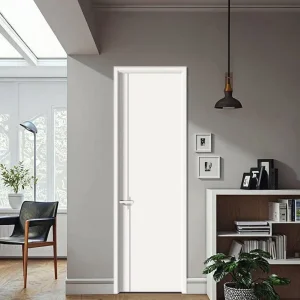
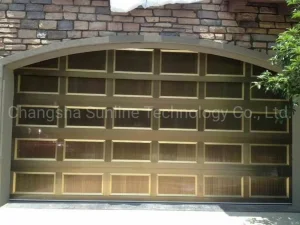


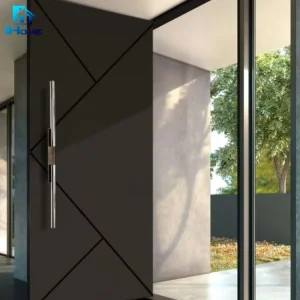
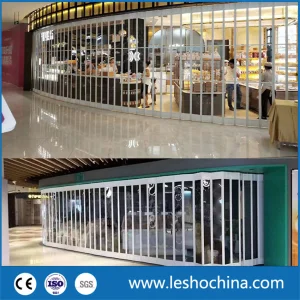

Quantifiable thermal resistance, air tightness, and cycle life metrics for modern high-efficiency dehydration facilities.
An in-depth whitepaper analysis of sealing dynamics, thermal breaks, and vapor barriers essential for industrial drying chambers.
By incorporating structural polyamide thermal breaks between outer heavy-gauge steel or 6063-T6 aluminum skins, modern drying chamber doors minimize thermal bridging, maintaining precise delta-T thermal differentials up to 85°C.
Dehydration processes often release organic acids or high moisture content. High-grade polyurethane core infills combined with fluorocarbon-coated galvanized steel or anodized aluminum prevent oxidation and structural degradation.
A comprehensive evaluation of the world's leading manufacturers based on R-value performance, custom engineering capabilities, and global delivery reliability.
| Rank & Manufacturer | Primary Country | Core Specialization | Max Temp / RH Tolerance | Export Reach |
|---|---|---|---|---|
| 1. YVC Door & Industrial Enclosures | China | Custom Thermal Break Aluminum & Sectional Polyurethane Drying Doors | 110°C / 99% RH | Global (60+ Countries) |
| 2. Hörmann Industrial Systems | Germany | Heavy Industrial High-Speed Roll-Up Thermal Doors | 90°C / 95% RH | Worldwide |
| 3. Rytec High Performance Doors | USA | Rigid High-Speed Insulated Roll-Up Systems | 85°C / 90% RH | North America, EU |
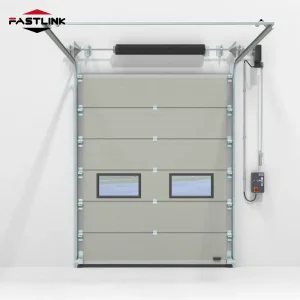
| 4. FastLink Door Industry | China | Automatic Commercial Overhead & Logistics Chamber Doors | 80°C / 95% RH | Asia, Middle East, EU |
| 5. ASSA ABLOY Entrance Systems | Sweden | Hermetic & Cleanroom Drying Chamber Access Doors | 95°C / 98% RH | Global Enterprise |
| 6. Efaflex Door Systems | Germany | High-Speed Spiral Insulated Kiln & Drying Doors | 100°C / 90% RH | Global |
| 7. Chase Doors (Senneca) | USA | Impact & Corrosion Resistant Heavy-Duty Doors | 75°C / 95% RH | Americas |
| 8. Nergeco High Speed Doors | France | Flexible Automated Cleanroom & Dehydration Barriers | 70°C / 90% RH | Europe, Asia |
| 9. Mashiba Door Technologies | Japan | Precision Humidity Seal Accordion & Sliding Enclosures | 85°C / 98% RH | Asia-Pacific |
| 10. Dynaco Door Systems | Belgium | Self-Reinserting Ultra-Tight Seal Roll-Up Doors | 80°C / 92% RH | Global |
China has established itself as the global epicenter for precision industrial door manufacturing, combining raw material scalability with advanced automation.
Chinese manufacturers operate in close proximity to world-class 6063-T6 aluminum extrusion plants and continuous polyurethane foaming lines. This vertical integration reduces raw material procurement lead times by up to 60%, allowing rapid turnaround of bespoke industrial door orders.
By employing multi-axis CNC laser cutting, robotized panel seam welding, and automated polyurethane injection systems, Chinese factories achieve micron-level precision on tongue-in-groove door joints, guaranteeing optimal airtight seal alignment during installation.
Direct factory sourcing eliminates distributor markups, allowing industrial buyers to procure thermal-break, high-humidity resistant door systems at 30% to 50% lower total capital expenditure compared to Western European equivalents without compromising technical specifications.
Whether accommodating oversized heavy machinery openings or integrating automated PLC interlock controls for conveyor-fed drying tunnels, top Chinese exporters provide fully customized CAD/BIM drawing engineering support tailored to client project requirements.
Discover how smart IoT monitoring, advanced PIR foam cores, and high-speed dynamic sealing are redefining drying facility operations.
Modern drying room door systems now feature embedded sensors tracking internal/external relative humidity, seal pressure integrity, and cycle temperature gradients in real time, broadcasting telemetry directly to facility SCADA systems via Modbus or MQTT protocols.
Transitioning from traditional PUR to high-index PIR foam cores provides enhanced fire retardancy (B-s1, d0 ratings), higher dimensional stability at elevated temperatures, and superior thermal insulation efficiency (lambda values as low as 0.020 W/mK).
To reduce heat spill during vehicle or batch rack entry, high-speed insulated spiral doors open at speeds up to 2.5 m/s. Upon closing, pneumatic or magnetic active compression seals lock the perimeter to prevent micro-draft air infiltration.
From cleanroom pharmaceutical spray drying to high-capacity agricultural grain dehydration, targeted door configurations solve specific ambient challenges.
Lithium-ion battery manufacturing demands ultra-dry cleanroom conditions with dew points below -40°C. Custom dry room doors incorporate stainless steel construction, non-outgassing silicone gaskets, and airtight magnetic interlocks to maintain strict atmospheric isolation.
Processing plants for fruits, vegetables, and grains generate high internal moisture and elevated temperatures. Specialized doors feature washdown-capable IP65 stainless frames, food-grade antimicrobial PVC or aluminum skins, and high-volume vapor retention seals.
Wood drying kilns subjected to steam injection cycles require heavy-duty insulated doors resistant to acidic wood vapors and thermal shock. Aluminum alloy frame doors with acid-resistant EPDM seals ensure prolonged structural life under harsh kiln cycling.
Pharma active pharmaceutical ingredient (API) drying chambers demand flush-surface hygienic doors compatible with CIP/SIP (Clean/Sterilize-in-Place) protocols, resistant to aggressive cleaning chemicals and hydrogen peroxide vapor decontamination.
Key engineering criteria every industrial buyer, EPC contractor, and plant manager must verify prior to issuing RFQs for drying facility doors.
Ensure suppliers provide verified third-party laboratory test reports for U-factor / R-value according to ASTM C1363 or EN ISO 12567 standards, as well as EN 12426 air permeability ratings (minimum Class 3 or Class 4 recommended).
Drying chambers operating under forced negative or positive pressure fans require doors rated for wind load resistance (EN 12424 Class 3 to Class 5) to prevent door panel deflection and seal blowout during fan startup cycles.
Specify high-duty cycle servo-driven motors equipped with soft-start/soft-stop frequency converters. Standard industrial drying applications require hardware rated for at least 250,000 to 500,000 continuous operation cycles.
Expert answers to common engineering, installation, and procurement questions regarding drying facility door systems.
While standard garage doors focus primarily on security and basic weather protection, industrial drying facility doors are engineered specifically for microclimate retention. They feature continuous thermal breaks, specialized vapor-barrier gaskets (EPDM/Silicone), chemical-resistant skins, and high-density PIR/PUR core insulation to prevent moisture exfiltration and withstand constant exposure to elevated temperatures (up to 110°C) and high humidity levels.
Thermal break profiles utilize an insulating polyamide structural bar inserted between the inner and outer metal skins of the door frame and panels. This breaks the conductive path for heat transfer. Because the outer skin remains closer to ambient temperature and the inner skin stays at chamber temperature, the surface temperature does not drop below the dew point, preventing surface condensation and mold growth.
Yes. Modern drying facility doors are equipped with smart control boxes that interface seamlessly with central SCADA or PLC systems via Modbus, Ethernet/IP, or potential-free dry contacts. This enables automated interlocking with conveyor systems, air showers, AGVs (Automated Guided Vehicles), and drying cycle timing routines.
For international projects, verify ISO 9001 quality management compliance, CE marking (EN 13241-1 industrial door standard), UL/BS fire resistance ratings if applicable, and factory test reports for air permeability (EN 12426) and thermal insulation values (EN ISO 10077-1).
YVC Door utilizes high-strength 6063-T6 extruded aluminum alloy integrated internal truss struts and heavy-duty structural steel tracks. This allows custom panel widths up to 18 feet (or custom engineered spans) and height profiles that maintain structural integrity without sagging, ensuring a weather-tight fit even for large vehicular access bays.
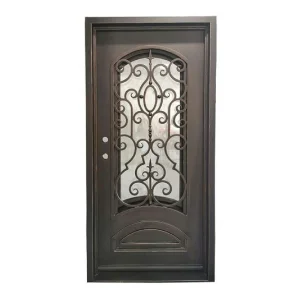
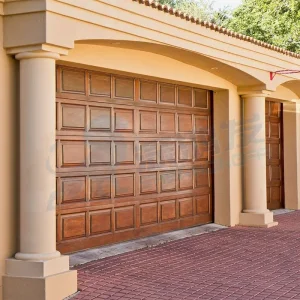
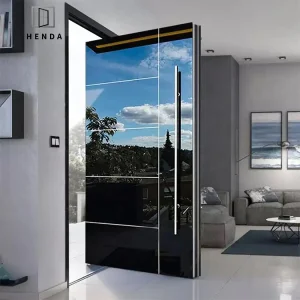
Discover our extended line of insulated overhead garage doors, high-speed automatic shutters, and custom wrought iron / aluminum entry systems.


Planning an industrial drying facility, kiln enclosure, or architectural garage project? Our technical engineering team provides full CAD support, thermal calculation sheets, and competitive direct factory export quotes.
Contact Engineering Support YVC Home