High-Performance Architectural & Industrial Thermal Barrier Solutions for Global Markets
Explore our premium range of commercial, industrial, and residential insulated systems designed to drastically lower U-values and mitigate thermal bridging.
Why modern commercial infrastructure and custom high-end residential builds require high thermal envelope performance.
Global standards, such as ASHRAE 90.1, IECC, and the EU Energy Performance of Buildings Directive (EPBD), demand rigorous thermal coefficients. High-performance doors featuring thermal breaks and low-emissivity double or triple glazing are critical in achieving overall building compliance.
By injecting high-density, CFC-free polyurethane (PU) foam directly between double-walled steel or aluminum sheets, our factory ensures exceptional structural rigidity. This process yields class-leading thermal insulation values (U-values as low as 0.29 W/m²·K).
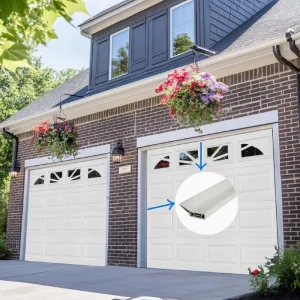
From tongue-and-groove joint profiles to integrated continuous EPDM weather-stripping, every architectural door system is designed to eliminate cold spots, mitigate air infiltration, and prevent heat loss in extreme climatic zones.
Typical U-Value (W/m²·K)
Premium Aluminum Alloy
Globally Certified Systems
Thermal Break Continuity
As the international construction community transitions toward carbon-neutral designs and net-zero energy buildings (NZEB), fenestration elements have come under intense scrutiny. Traditional doors and windows are historically the weakest links in a building's thermal envelope, accounting for up to 30% of energy loss in commercial and residential properties. Resolving this challenge requires the deployment of advanced, multi-layer thermal-barrier doors engineered to limit heat conduction, convection, and radiation.
China has emerged as the premier manufacturing cluster for these complex architectural components. By combining vertically integrated supply chains, high-volume raw material processing (such as raw aluminum extrusion and cold-rolled steel forming), and advanced automation in polyurethane injection, Chinese exporters offer superior performance-to-cost metrics. This enables developers worldwide to source certified energy-efficient solutions without compromising project budgets.
The core mechanism of an energy-efficient door lies in structural decoupling. In metal doors (aluminum or steel), thermal bridging occurs when heat travels freely through the highly conductive metallic frame. To prevent this, our systems utilize specialized polyamide (PA66) thermal barrier strips. These glass-fiber reinforced insulating strips mechanically join the interior and exterior aluminum profiles, breaking the path of thermal transmission.
At YVC Door, we align structural aesthetics with advanced thermodynamic engineering. Each door profile is designed, extruded, and assembled to withstand both extreme environments and heavy operational cycles.
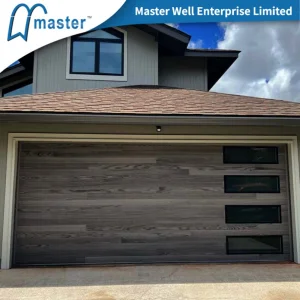
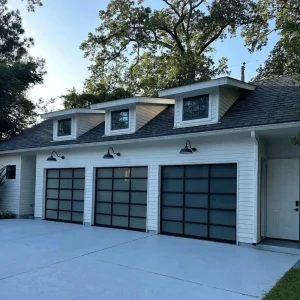
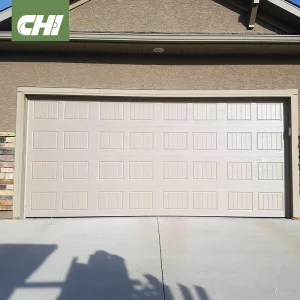
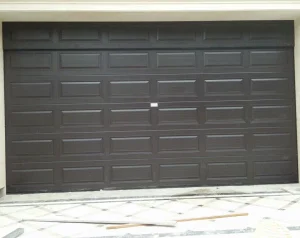
"Our garage doors are designed and manufactured for durability, quality, and style. The precision-cut tongue-in-groove frame construction, extra-wide top and bottom rails, heavy-duty exterior-grade vinyl weather seal, and wide end stiles ensure a weather-tight fit."
Furthermore, for large-scale operations or architectural openings accommodating oversized commercial transport vehicles, structural integrity is paramount. In garages housing heavy fleets, SUVs, or commercial freight, our integrated internal struts constructed from high-grade 6063-T6 extruded aluminum alloy maximize head and backroom clearances without compromising structural load ratings. This integration resists high wind-load pressures while maintaining structural stability over decades of operation.
Procurement directors and commercial developers must balance initial capital expenditure (CAPEX) with long-term operational expenditures (OPEX). High-performance doors directly impact building operations by:
Engineered to adapt to distinct geographic demands and demanding architectural standards.
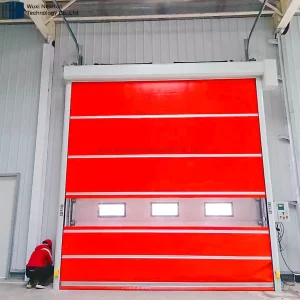
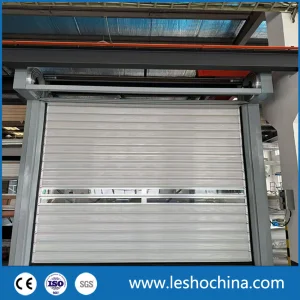
For logistics hubs and food processing plants, high-speed insulated spiral doors keep internal temperatures locked, reducing energy loss during cargo transfer.
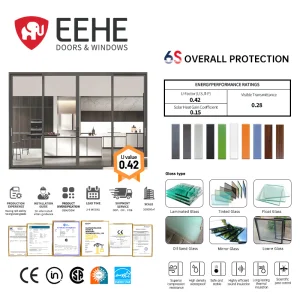
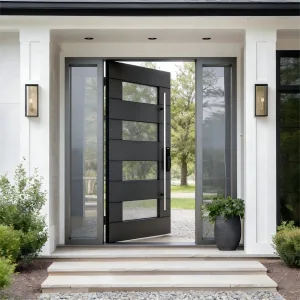
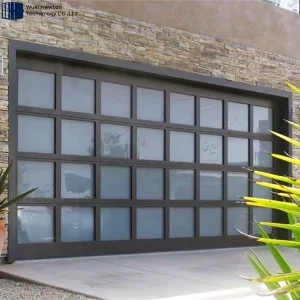
Elegant, full-view insulated glass and aluminum doors offer panoramic outdoor views while blocking radiant solar heat in tropical and desert climates.
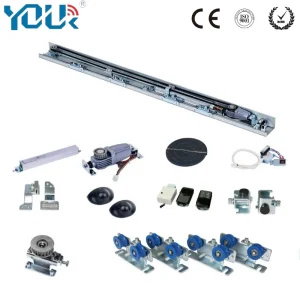
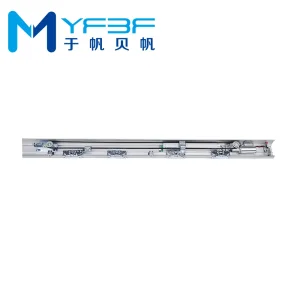
Sealed automatic sliding doors maintain precise air pressure differentials in pharmaceutical facilities, microelectronic labs, and surgical suites.
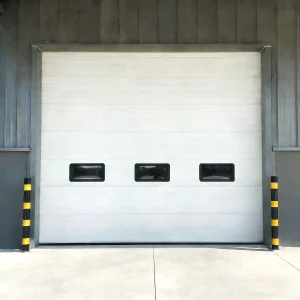
Reinforced steel sectional doors resist corrosion and wind loads, meeting stringent building codes in cyclone-prone coastal territories.
Essential answers for architects, structural engineers, and commercial procurement managers.
YVC Door solutions are designed from the ground up to offer long-term performance under demanding daily cycles. By controlling the complete manufacturing process—from selecting quality aluminum alloys to installing heavy-duty, exterior-grade vinyl weather seals—we provide products that deliver reliable security and thermal protection.
We work closely with structural architects, developers, and local dealers to ensure that every system matches project requirements. If you need help with sizing, specifications, local certifications, or selecting options, our engineering support team is ready to assist you.
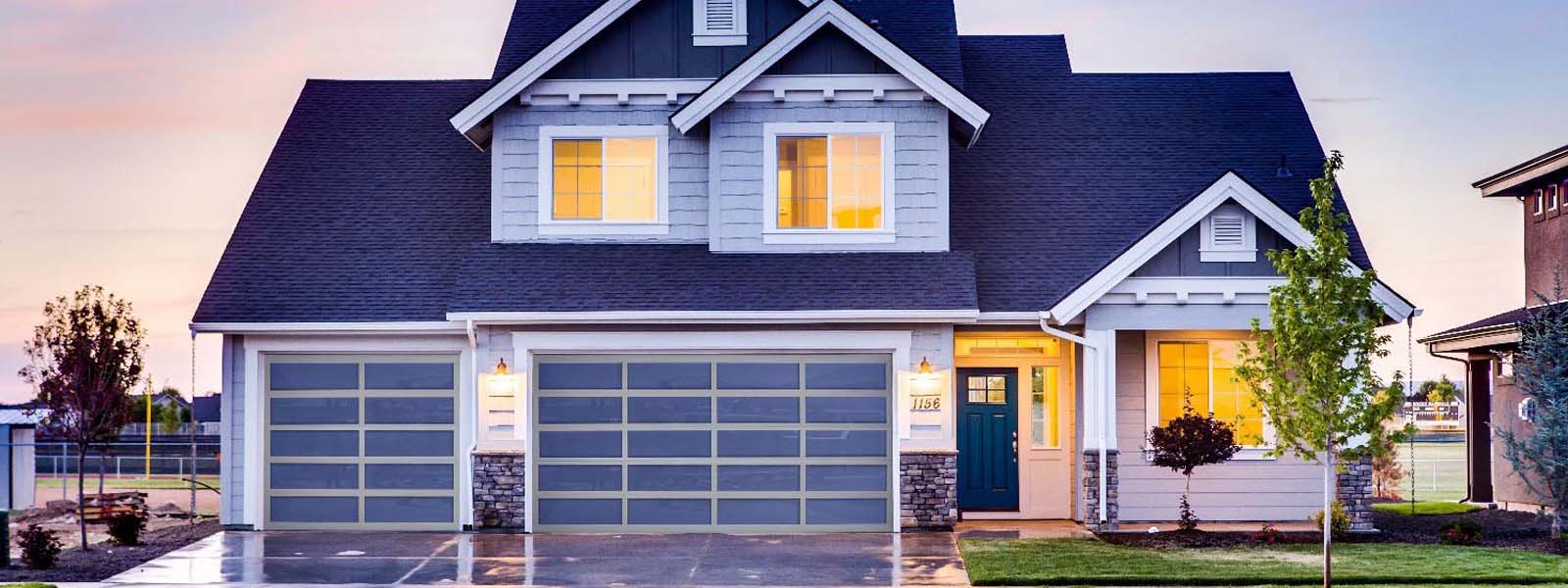
Select the optimal configuration for your structural project. Fully customizable parameters and dynamic safety controls.
 YVC Home