Advanced exterior panel matrices, automatic structural barriers, and thermal enclosure assemblies curated for immediate industrial deployment.
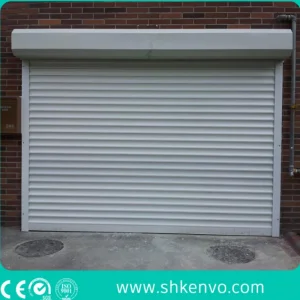
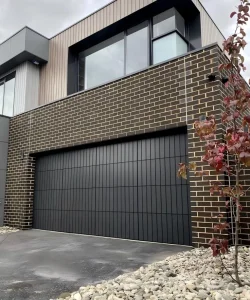
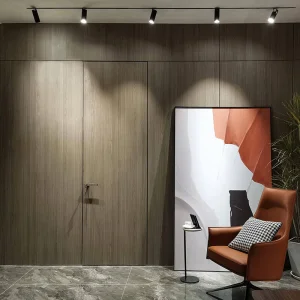
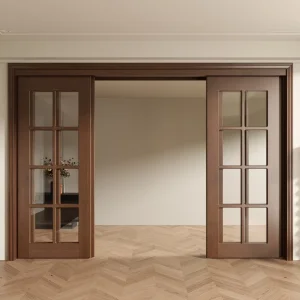
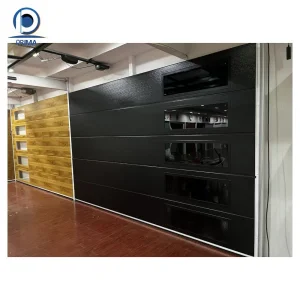
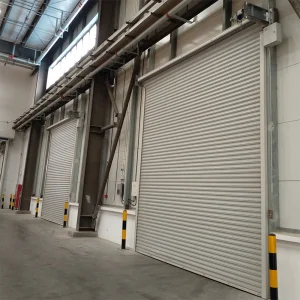
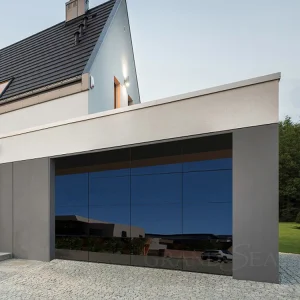
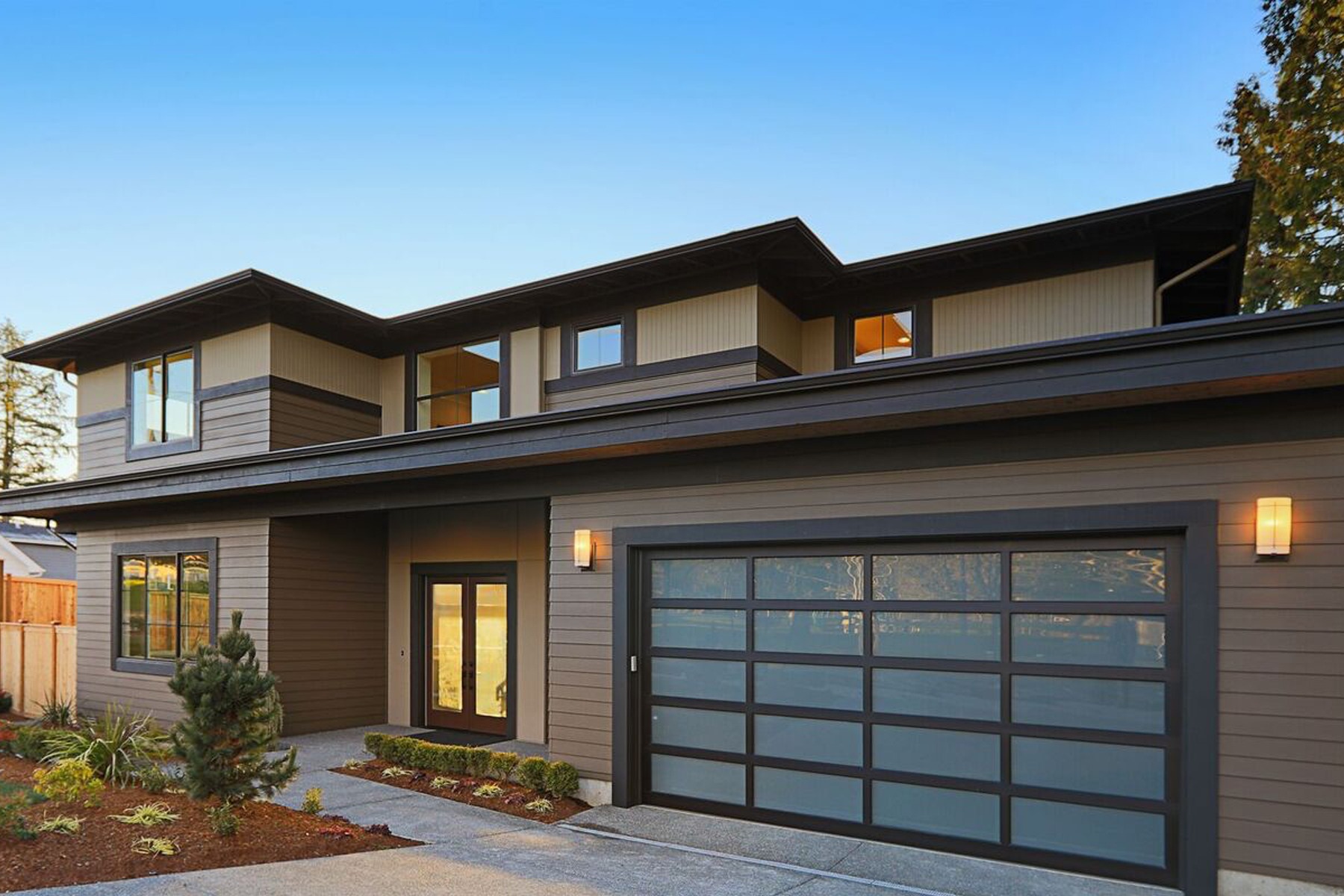
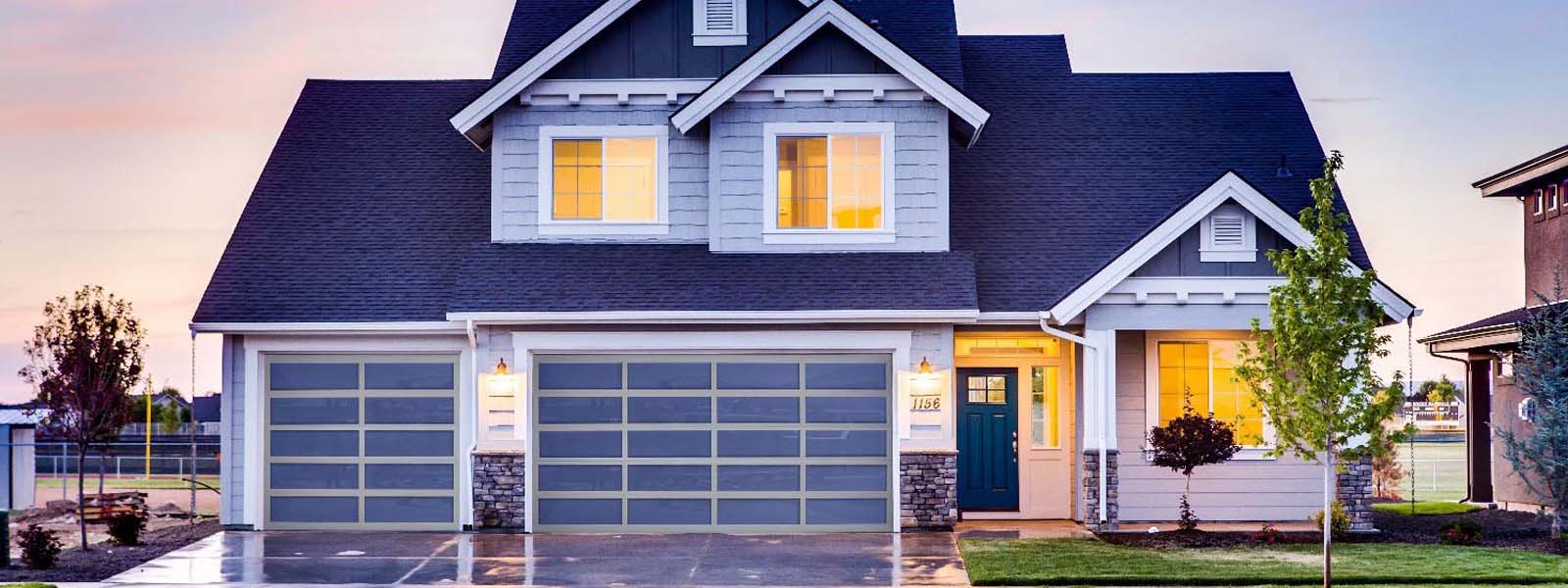
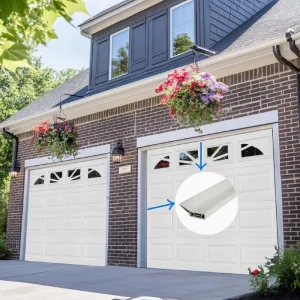
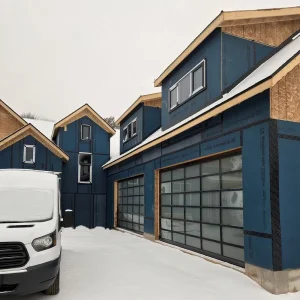
YVC Door garage doors are designed and manufactured for durability, quality and style. The precision-cut tongue-in-groove frame construction, extra-wide top and bottom rails, heavy-duty exterior-grade vinyl weather seal, and wide end stiles ensure a weather-tight fit for your garage door. For garages with over-sized sedans and SUVs, the 6063-T6 extruded aluminum alloy integrated internal strut maximizes backroom and headroom clearance.
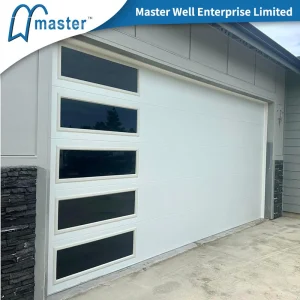
Our garage doors are fully customizable. We will work with you, your dealer, or architect to achieve the perfect look. Glass panels are available in white laminated, black laminated, clear laminated and clear tempered form. Aluminum alloy framing is available in clear, black, and dark bronze finishes, or choose a custom powder-coated finish. Stock door sizes are available in 8, 9, 16 and 18 foot widths, and 7 and 8 foot heights. Custom widths and heights are available by special order.
Evaluating the performance metrics of high-exposure exterior wood systems within modern commercial and upscale residential projects.
In the current landscape of international architectural design, specifying an exterior wooden door requires an intricate understanding of material science, structural engineering, and environmental lifecycle dynamics. Modern exterior apertures must perform far beyond traditional aesthetics. They serve as primary thermal envelopes, critical acoustical isolators, and the frontline barrier against extreme meteorological events. For global B2B procurement officers, real estate developers, and chief architects, selecting a top-tier manufacturer is an exercise in mitigating long-term structural liabilities while optimizing property valuation.
The core engineering challenge in wood manufacturing lies in the management of hygroscopic dimensional instability. Raw timber naturally undergoes moisture absorption and desorption, leading to warping, checking, and delamination when exposed to volatile exterior environments. Elite global manufacturers overcome this limitation through Cross-Laminated Timber (CLT) engineering and multi-layered engineered cores. By aligning timber grain matrices at alternating 90-degree angles and infusing advanced structural adhesives, suppliers create a panel assembly that exhibits minimal thermal expansion coefficients, ensuring absolute operational consistency across diverse climatic zones.
An analytical breakdown of vertical integration, economies of scale, and tech-driven quality controls within Chinese production hubs.
The global procurement vector for architectural elements has definitively shifted toward highly specialized Chinese manufacturing clusters, primarily located in Guangdong, Zhejiang, and Shandong provinces. The competitive advantage of a top-tier China-based exterior wooden door factory extends far beyond historical labor-cost arbitrage. The true advantage lies in complete vertical supply chain integration, massive capital investment in computerized automation, and sophisticated material chemistry.
Chinese factories directly control upstream processing, including kiln-drying infrastructure and synthetic resin formulation. This direct oversight ensures stable internal equilibrium moisture content (EMC) before raw lumbers enter the production line.
By leveraging advanced multi-axis CNC machining centers, leading Chinese suppliers execute lockset preparations, hardware mortising, and structural detailing with millimeter precision, eliminating manual configuration variance.
Advanced automated finishing lines apply multiple layers of cross-linking poly-urethane and UV-stabilized fluorocarbon coatings. This high-tech protective envelope shields organic wood elements from extreme solar radiation and ambient moisture.
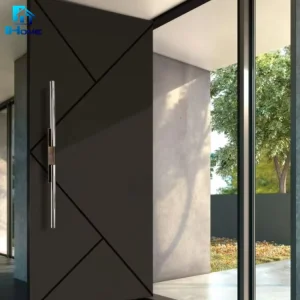
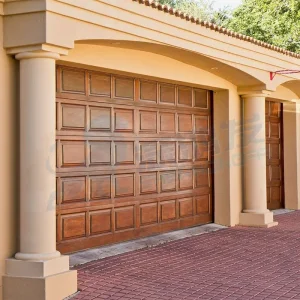
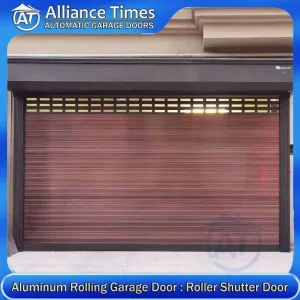
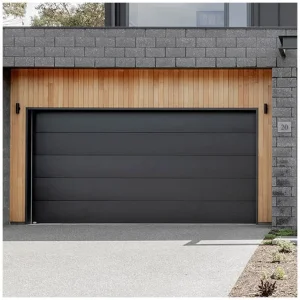
Furthermore, leading Chinese manufacturers have expanded their core capabilities to produce hybrid material compositions, such as combining WPC (Wood Plastic Composite), high-density PVC, and structural metals like 6063-T6 extruded aluminum alloys. This materials-science approach allows factories to build complex hybrid exterior systems, including heavy-duty industrial roll-up mechanisms, flush-mount integrated cladding garage doors, and massive architectural pivot doors that resist environmental wear while retaining the classic texture of natural wood grain.
Navigating complex international building codes, fire regulations, and green building certification frameworks.
For an international procurement director, sourcing structural apertures requires strict adherence to localized statutory certifications. A high-end wooden door must meet both aesthetic goals and local building safety codes. Top 10 manufacturers achieve international compliance through dedicated testing protocols, ensuring their products meet or exceed global standards.
Mandatory compliance with WDMA I.S.1-A architectural wood flush door standards, alongside NFPA 80 / UL 10C positive pressure fire-testing certifications for 20, 60, and 90-minute defensive configurations.
Execution of formal CE Marking under EN 14351-1 protocols. Air permeability, water tightness, and wind resistance must be independently validated through accredited European testing centers.
Traceable upstream timber sourcing verified by the Forest Stewardship Council (FSC) or PEFC, ensuring compliance with strict environmental governance and LEED credit eligibility requirements.
In addition to fire and environmental safety, localized engineering must account for specific regional weather challenges. Coastal deployments demand high-grade stainless steel (SUS316) hardware components and salt-spray resistant exterior sealers to protect against accelerated corrosion. Conversely, deployments in arid regions require advanced wood stabilization to combat extreme shifts in relative humidity and prevent panel shrinking or cracking.
A professional blueprint designed for enterprise-level sourcing of custom premium exterior door systems.
When auditing the top 10 exterior wooden door manufacturers, global procurement teams must look past basic catalogs and evaluate real engineering capabilities. Enterprise projects require a structured framework that scores vendors based on processing capacity, technical engineering, and long-term field support.
By focusing on these core engineering metrics, procurement teams can protect their capital investments from common field failures like veneer delamination, structural frame sagging, and joint separation. This disciplined evaluation approach is exactly what differentiates high-value, long-term installations from lower-tier alternatives.
Technical answers addressing the complex specifications, design customization, and supply chain logistics of high-end exterior entry systems.
High-durability commercial rollers, acoustic interior doors, and precision-engineered structural accessories completing the architectural envelope.
 YVC Home