Explore our foundational range of premium glass entrances, high-durability sectional options, and dynamic utility doors engineered to exceed global structural standards.
Analysing the tectonic shift toward glazed architectural openings, structural thermal barriers, and decarbonized building materials.
In contemporary architecture, modern glass doors have transcended their primary function as simple physical barriers. Today, they constitute a critical intersection between structural integrity, thermodynamic efficiency, and visual aesthetics. Global commercial building codes—such as the European Union’s Energy Performance of Buildings Directive (EPBD) and ASHRAE 90.1 in North America—demand a drastic reduction in operational carbon footprints. This legislative environment has forced architectural designers and structural engineers to specify glazed assemblies that offer exceptionally low U-factors, high solar heat gain coefficients (SHGC) control, and verified structural stability against dynamic wind pressures.
Industrial facilities, commercial storefronts, and premium custom residences now implement advanced structural glass and high-strength aluminum framing systems to achieve daylighting optimization strategies. By allowing natural light to penetrate deeper into building envelopes, projects achieve measurable offsets in artificial lighting energy consumption. However, managing this integration requires highly engineered glass door solutions that balance thermal performance with mechanical endurance.
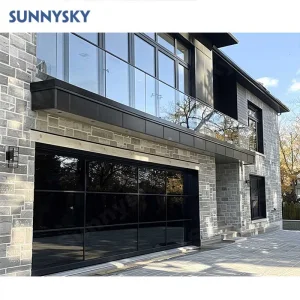
For heavy-duty applications such as automated industrial openings and large-span residential glass garage systems, engineers face complex wind load challenges. Glazed structural systems must withstand cyclic loading, positive and negative pressures (especially in hurricane-prone zones or high-altitude commercial zones), while maintaining absolute structural envelope integrity. Standard residential materials fail under these prolonged stresses, which is why sourcing directly from certified, heavy-industrial manufacturers with verifiable test documentation is crucial for risk mitigation.
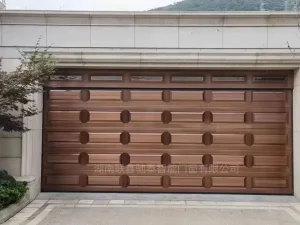
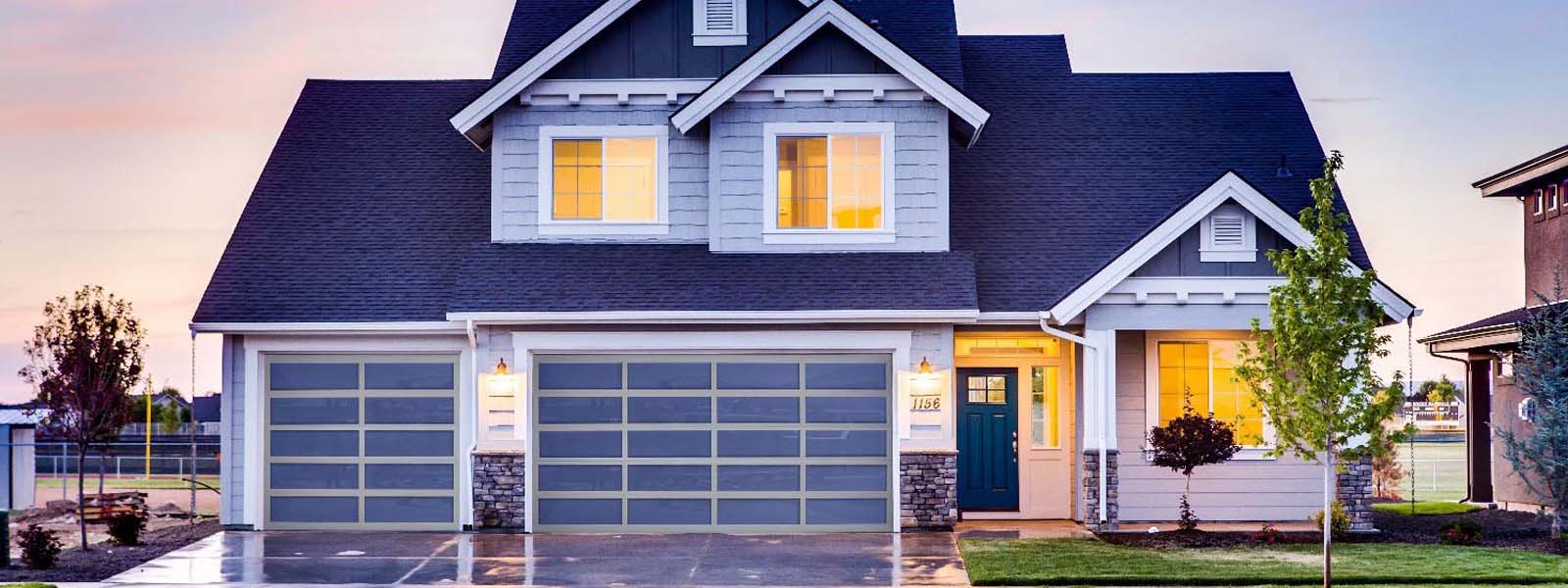
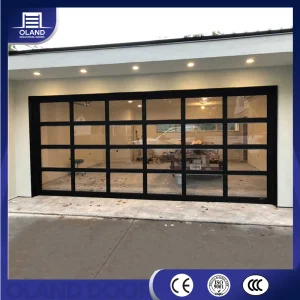
Each day, imagine entering your home through a beautiful, stylish, quality-built garage door. From the inside, whether doing weekend chores, a hobby project, or hosting an evening party that expands into your garage, a quality garage door elevates any home.
Our Commitment to Product Excellence: YVC Door garage doors are designed and manufactured for durability, quality, and style. The precision-cut tongue-in-groove frame construction, extra-wide top and bottom rails, heavy-duty exterior-grade vinyl weather seal, and wide end stiles ensure a weather-tight fit for your garage door. For garages with over-sized sedans and SUVs, the 6063-T6 extruded aluminum alloy integrated internal strut maximizes backroom and headroom clearance.
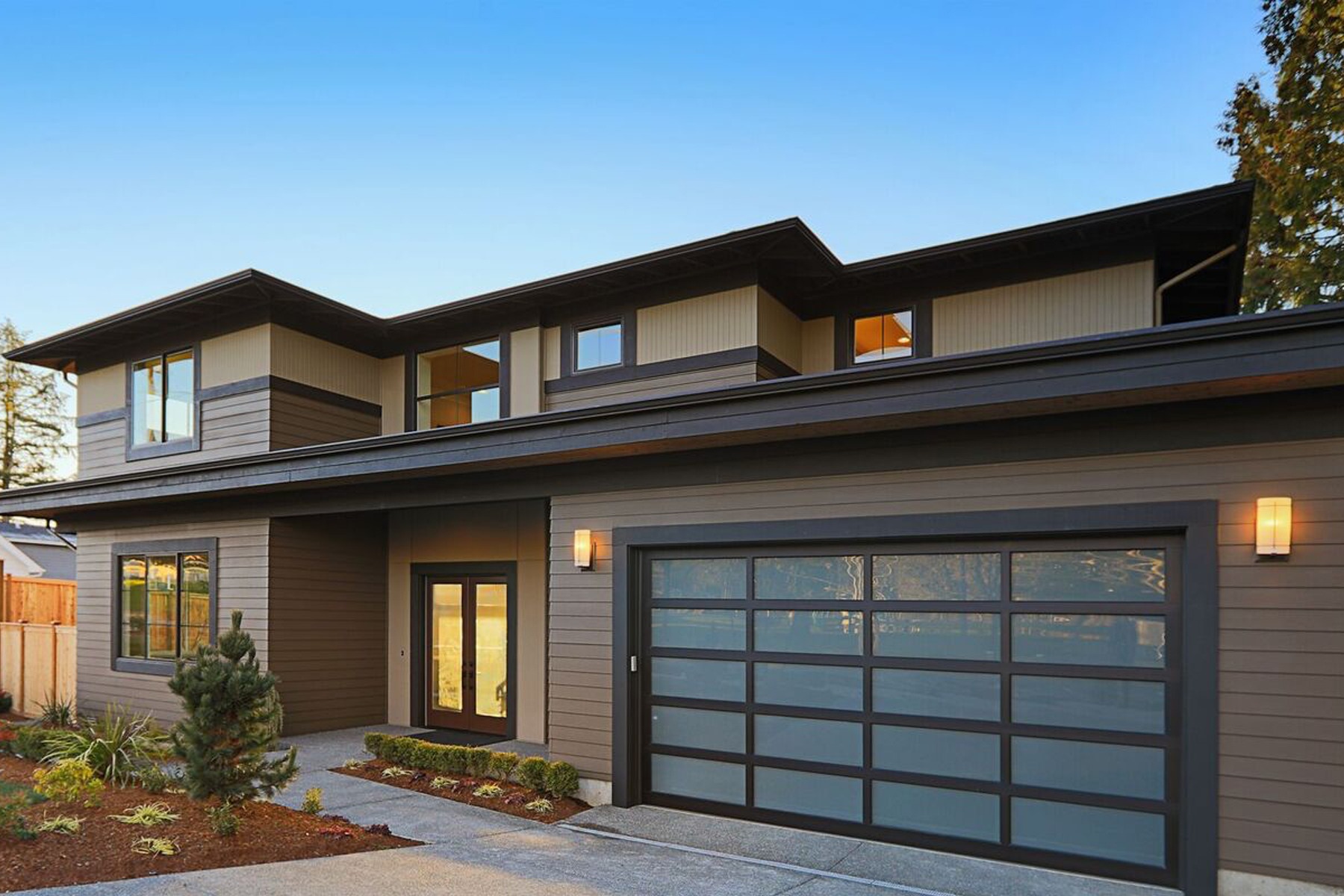
Our garage doors are fully customizable. We work directly with you, your developer, contractor, or lead architect to achieve the perfect look while maintaining safety benchmarks. Our glass panels are available in:
The underlying aluminum alloy framing is offered in standard clear anodized, deep black, and rich dark bronze finishes. For projects with distinct corporate or residential branding, we supply custom powder-coated options built to AAMA 2604/2605 requirements. Stock architectural door widths are readily available in 8, 9, 16, and 18-foot widths, and 7 and 8-foot heights. Custom structural widths and specialized heights are built through our dedicated technical engineering department.
Exploring the convergence of thermal performance, minimal sightlines, and smart-building integration.
The incorporation of high-density polyamide thermal barriers inside aluminum extrusions is now industry standard. This minimizes heat transfer across metal profiles, solving structural condensation challenges.
Architects demand structural glass systems where frames are virtually concealed within floors and walls. Modern manufacturing achieves sightlines as narrow as 20mm while maintaining high wind-load ratings.
Modern commercial glass doors are increasingly integrated with RFID, biometric facial scanners, and BMS systems. High-speed roll-up and automatic sliding configurations rely on IoT-driven motor units.
Furthermore, environmental certification programs such as LEED and BREEAM have elevated the importance of using certified recyclable materials. Aluminum, being infinitely recyclable without losing its mechanical properties, matches the modern sustainable development agenda. In modern glass doors, using post-consumer recycled aluminum helps developers meet carbon-neutral guidelines without sacrificing the structural load capacity.
How international procurement managers navigate compliance, risk, and lead-time optimization.
Purchasing modern glass doors for large-scale developments involves navigating complex international standards. Architects and developers in North America look for NFRC thermal ratings and Dade County wind-load certifications. European procurement managers require CE markings, EN standards compliance (such as EN 12150-1 for thermally toughened soda lime silicate safety glass), and strict EPD (Environmental Product Declarations) certifications.
To safeguard investments, sophisticated buyers partner with manufacturers who provide complete traceability. This includes Mill Test Certificates (MTCs) for raw aluminum billets, structural test report logs for finished door panels, and certified third-party testing for safety glass components. Additionally, ensuring clear communication concerning custom design details—like hardware finishes, glass glazing options, and framing dimensions—prevents expensive architectural rework at installation sites.
By integrating advanced Factory 4.0 practices, Chinese fenestration plants have transformed the global supply chain. Advanced robotic welding, CNC automated aluminum profiles milling, and digital quality monitoring gates ensure that every millimeter of the final product matches the engineering drawings.
This high-tech production infrastructure minimizes human error while driving down fabrication times. For large project orders of custom glass doors, pocket sliding systems, or high-speed industrial automatic doors, Chinese manufacturing hubs provide deep supply chain integration. From local raw aluminum bauxite smelting to high-performance tempered glass laminating lines, everything occurs within localized industrial ecosystems, driving unprecedented cost efficiency.
This geographical proximity of upstream and downstream components guarantees that supply shocks are mitigated. Even when raw material costs fluctuate internationally, our optimized factory structures absorb market shocks through predictive procurement strategies. For B2B clients, this ensures consistent pricing structures, reliable shipping timetables, and predictable project milestones.
Analyzing functional requirements across residential, commercial, and industrial spaces.
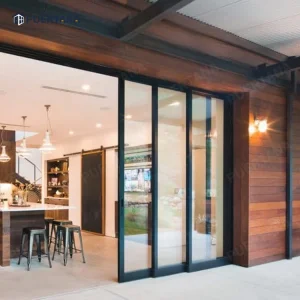
Requires high daylight transmittance, elegant slim-profile aesthetics, and robust sound dampening. Products like frameless glass garage doors and pocket sliding glass patio doors expand functional indoor-outdoor living spaces while preserving thermal envelopes.
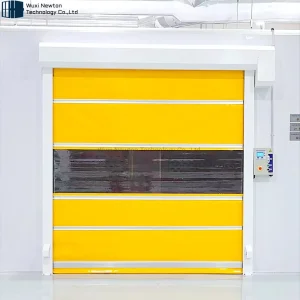
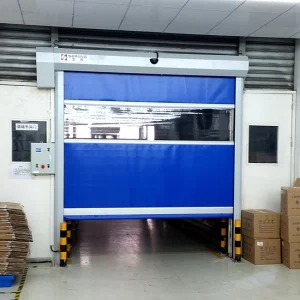
Requires extreme wind resistance, high speed cycling, and anti-dust seals. High-speed roll PVC doors and heavy-duty automatic steel-sectional systems optimize transit traffic while preventing energy losses from HVAC systems.
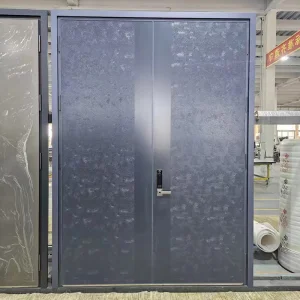
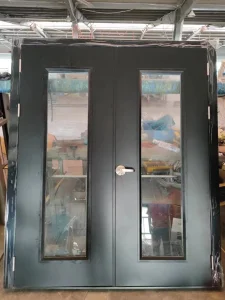
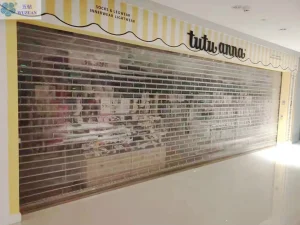
Demands maximum occupant safety, fire resistance, and durability under continuous high traffic. Clear polycarbonate rolling shutters and UL-certified fire-rated glass doors balance architectural branding with localized safety codes.
Get professional answers to the most common technical questions from structural engineers and global procurement officers.
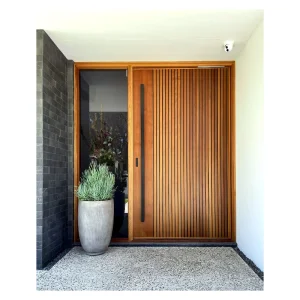
Explore our specialized portfolio of commercial entry wood doors, fire-rated exits, high-speed shutters, and concealed sliding patio installations.
 YVC Home