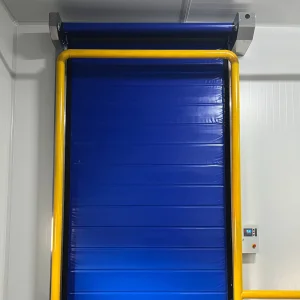
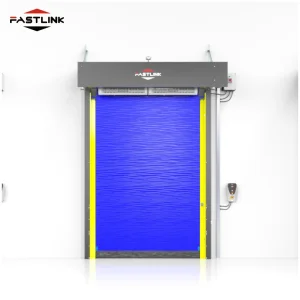
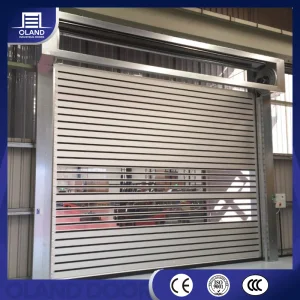
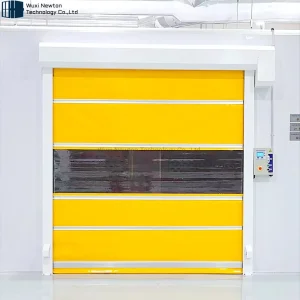
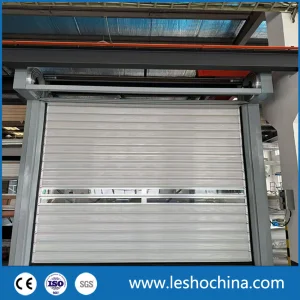
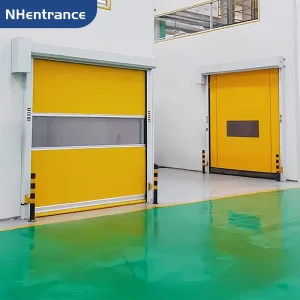
Engineered for high performance, thermal insulation, and dust containment in coastal and inland Namibian sectors.
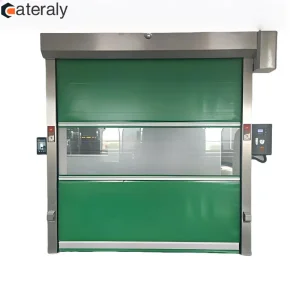
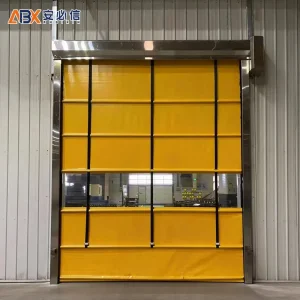
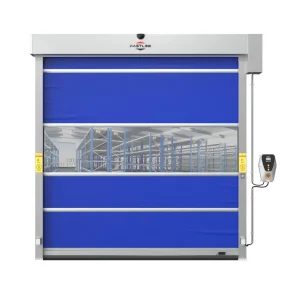
Namibia is rapidly transforming into a principal logistics hub for the Southern African Development Community (SADC). Driven by the strategic expansion of the Port of Walvis Bay, major corridor connections to Botswana, Zambia, Zimbabwe, and South Africa, and a growing domestic manufacturing footprint, Namibian facilities face unique infrastructural demands. The combination of intense sub-Saharan sunlight, heavy dust ingress from the Namib Desert, and highly corrosive coastal environments requires specialised engineering for industrial access solutions.
For manufacturers, warehouses, mining complexes, and fisheries operating in Walvis Bay, Swakopmund, Windhoek, and Northern regions like Ondangwa, standard industrial doors simply do not suffice. Traditional roller shutters act as environmental bottlenecks—operating too slowly, losing precious conditioned air, and suffering from catastrophic wear due to sand particles and corrosion. High-performance, high-speed doors are not a luxury in Namibia; they are a critical operational necessity for cost mitigation, energy efficiency, and security.
Globally, the industrial door industry is undergoing a technological revolution centered on automation, Internet of Things (IoT) monitoring, self-repairing functions, and extreme thermal insulation. Modern operations require minimal downtime; thus, "self-repairing" or "zipper" doors have become the global standard. If impacted by a vehicle, the door curtain dislodges safely from the side guides without permanent damage and automatically zips back into place on the next upward cycle.
In addition, smart motor technology utilizes frequency converters (variable frequency drives) to accelerate and decelerate smoothly. This reduces the mechanical strain on the hardware, extending the lifecycle of the door to over one million operations. Energy efficiency guidelines globally (such as ISO 50001) drive the adoption of insulated spiral doors, combining the speed of a fabric roll-up door with the security and thermal performance of an insulated sectional door. This global trend aligns directly with Namibia's national drive for greener and more efficient manufacturing infrastructure.
Choosing the right technical path ensures that investments in high-speed doors remain future-proof for years to come. In Namibia, the future lies in the integration of localized solar energy grids with low-draw industrial equipment. Here is the technical roadmap we follow as a leading supplier:
Modern doors are equipped with microprocessors compatible with building management systems (BMS). Through Ethernet or Wi-Fi modules, operators can monitor door status, operations counts, and maintenance alerts remotely. Predictive maintenance ensures that high-usage doors in remote Namibian mines can request servicing before a breakdown occurs, minimizing critical downtime.
Legacy systems relied heavily on safety beams that could easily fail in dusty environments. Modern deployments use 3D laser scanners (Lidar) and advanced microwave motion detectors. These sensors distinguish between cross-traffic (forklifts passing by) and approaching traffic (forklifts wanting to enter), preventing unnecessary openings and conserving internal environmental conditions.
We supply PVC and PU curtains utilizing high-tenacity polyester base fabrics with double-sided PVC coatings. These coatings include anti-UV inhibitors to prevent yellowing and cracking under high Namibian solar radiation, ensuring structural integrity and visual clarity through transparent viewing panels for over a decade of continuous service.
Different sectors in Namibia have diverse technical requirements. Below are our specialized configurations engineered for specific macro industries:
Each day, imagine entering your home through a beautiful, stylish, quality-built garage door. From the inside, whether doing weekend chores, a hobby project, or hosting an evening party that expands into your garage, a quality garage door elevates any home. Beyond our heavy industrial high-speed doors, we cater to premium commercial and high-end residential applications across Namibia through the prestigious YVC Door range.
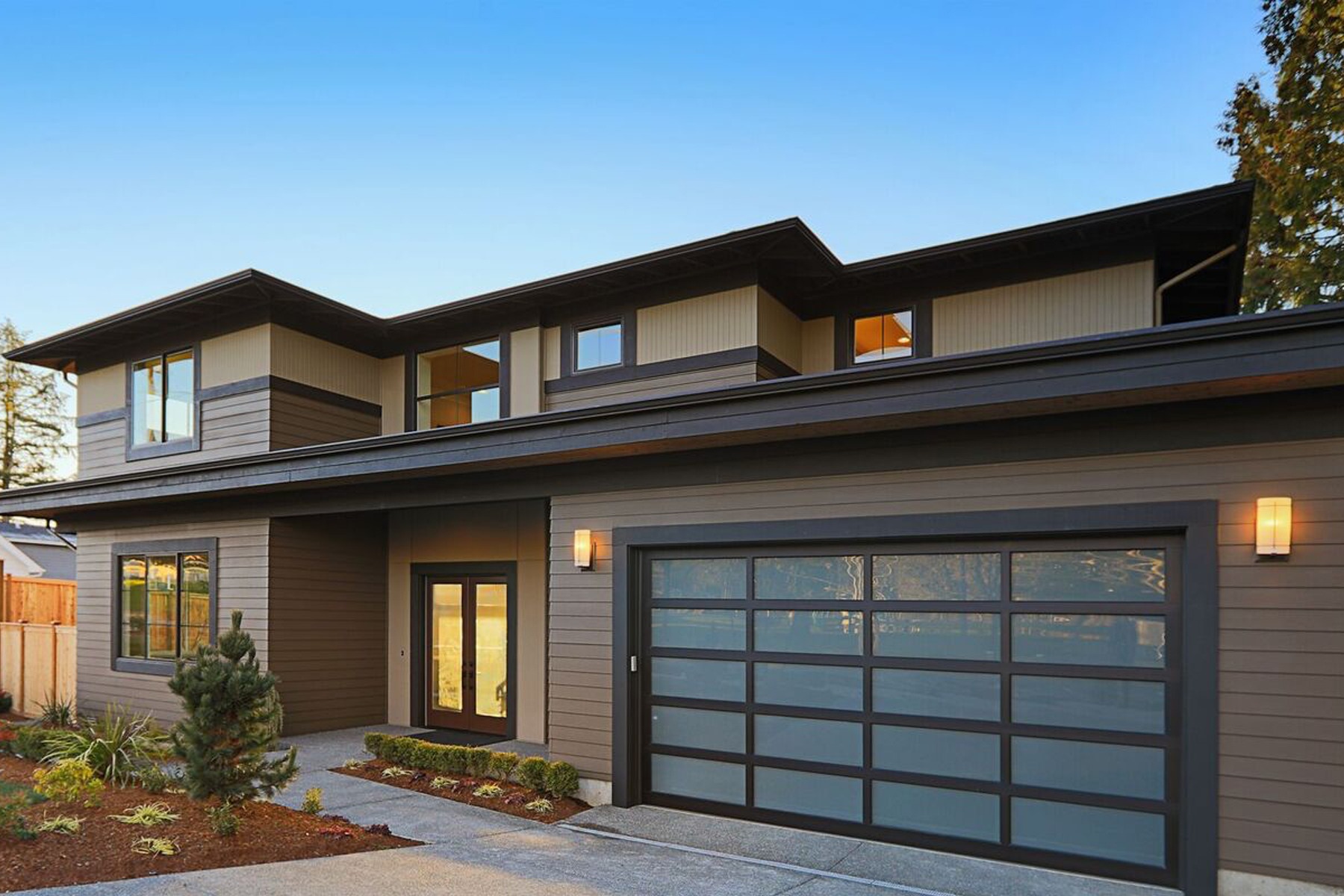
YVC Door garage doors are designed and manufactured for durability, quality and style. The precision-cut tongue-in-groove frame construction, extra-wide top and bottom rails, heavy-duty exterior-grade vinyl weather seal, and wide end stiles ensure a weather-tight fit for your garage door. For garages with over-sized sedans and SUVs, the 6063-T6 extruded aluminum alloy integrated internal strut maximizes backroom and headroom clearance, making them ideal for the harsh coastal sands of Swakopmund and Windhoek’s residential zones.
Our garage doors are fully customizable. We will work with you, your dealer, or architect to achieve the perfect look. Glass panels are available in white laminated, black laminated, clear laminated and clear tempered form. Aluminum alloy framing is available in clear, black, and dark bronze finishes, or choose a custom powder-coated finish. Stock door sizes are available in 8, 9, 16 and 18 foot widths, and 7 and 8 foot heights. Custom widths and heights are available by special order.
When you choose YVC Door, you're choosing quality and style. For assistance with sizing, measuring, selecting options, or finding an installer near you in Windhoek, Walvis Bay, or beyond, please contact our regional customer service team. We provide complete technical blueprints and installation supervisions for contractors and architects alike.
Get Installer Contact Info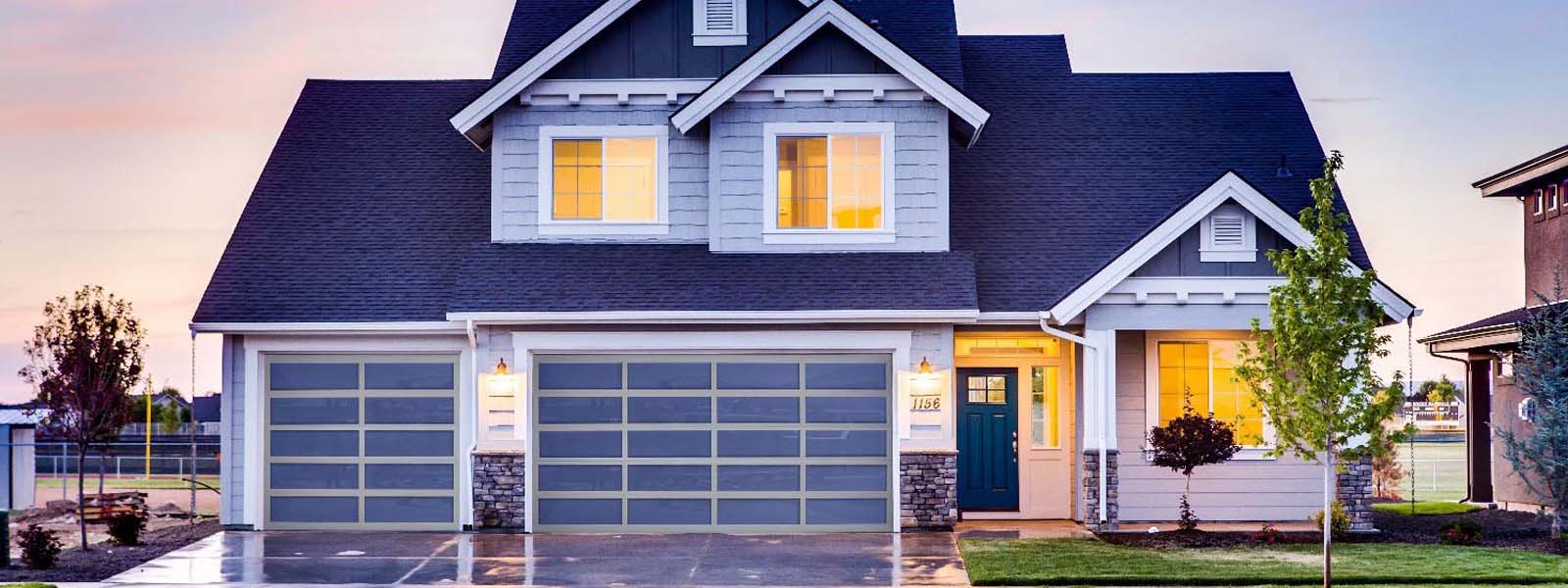
Explore our wider range of PVC rapid doors, thermal spiral doors, and specialized industrial shutters for Namiba logistics.
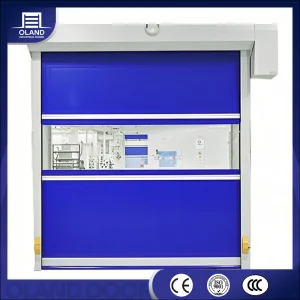
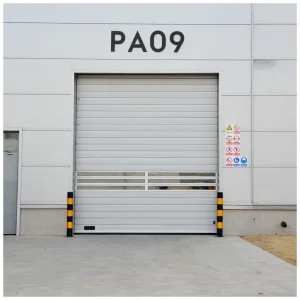
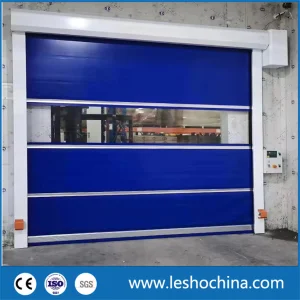
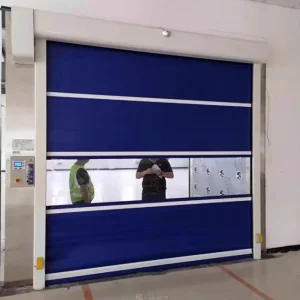
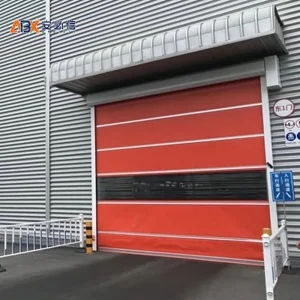
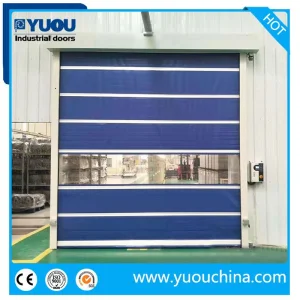
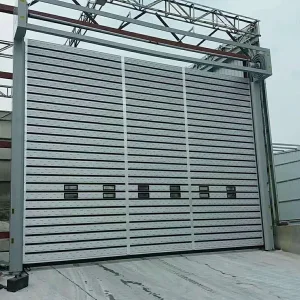
Explore specialized industrial doors and cleanroom accessories, engineered for durability.
Understanding high-speed door engineering, local delivery, and operational parameters for Namibian buyers.
From supply and customization to installation supervision and after-sales guarantees, we are your trusted industrial access partner.
Contact Our Regional Engineers Now YVC Home