Engineered for high-frequency operations, thermal separation, and harsh coastal atmospheric exposure in Busan Port and neighboring industrial zones.
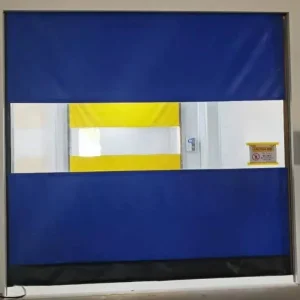
Busan, South Korea's primary maritime logistics hub and the world's sixth busiest container port, stands at a unique crossroads of intense industrial activity and aggressive coastal weather patterns. The atmospheric conditions here—characterized by high salinity index, seasonal typhoon wind-loads, and elevated relative humidity—expose conventional structural components to severe electrochemical corrosion and rapid degradation.
In industrial zones such as the Noksan Industrial Complex and the Busan Science & Industrial Park, manufacturing operations, cold chain warehousing, and cleanroom facilities require access infrastructure that can withstand corrosive air while maintaining strict energy and airtightness boundaries. Traditional sheet-steel doors are highly prone to oxidation at structural joints, hinges, and guide tracks under exposure to salt aerosol (NaCl-rich mist). This makes specialized vinyl (polyvinyl chloride) garage and industrial doors the leading engineering choice.
For architectural deployments along the coastal residential corridors of Haeundae and Suyeong-gu, builders face similar struggles. Marine wind pressures demand resilient panels that do not dent, rattle, or rust. Advanced co-extruded cellular vinyl systems and heavy-duty structural PVC membranes provide structural flexibility and weatherproofing that outlast aluminum and wood cladding in seaside environments.
Sourcing technical barriers and high-speed vinyl enclosures requires a clear understanding of international industrial codes. Large-scale global logistics operators and engineering procurers serving South Korea's major infrastructure projects focus heavily on long-term cost of ownership (TCO) metrics. Procurement criteria typically pivot around three core pillars:
| Material Characteristic | Co-Extruded Vinyl (PVC) | Standard Structural Steel | Anodized Aluminum |
|---|---|---|---|
| Corrosion Resistance (Marine Air) | Exceptional (Immune to salt rust) | Poor (Requires zinc/poly coatings) | Moderate (Prone to pitting over time) |
| Thermal Conductivity (W/m·K) | ~0.13 - 0.21 | ~50 | ~200 |
| Impact Resiliency | Self-recovery/Elastic memory | Permanent plastic deformation | Prone to surface scratching/denting |
| Maintenance Profile | Low (Wipe down/No paint required) | High (Regular structural painting) | Medium (Clear anodization checks) |
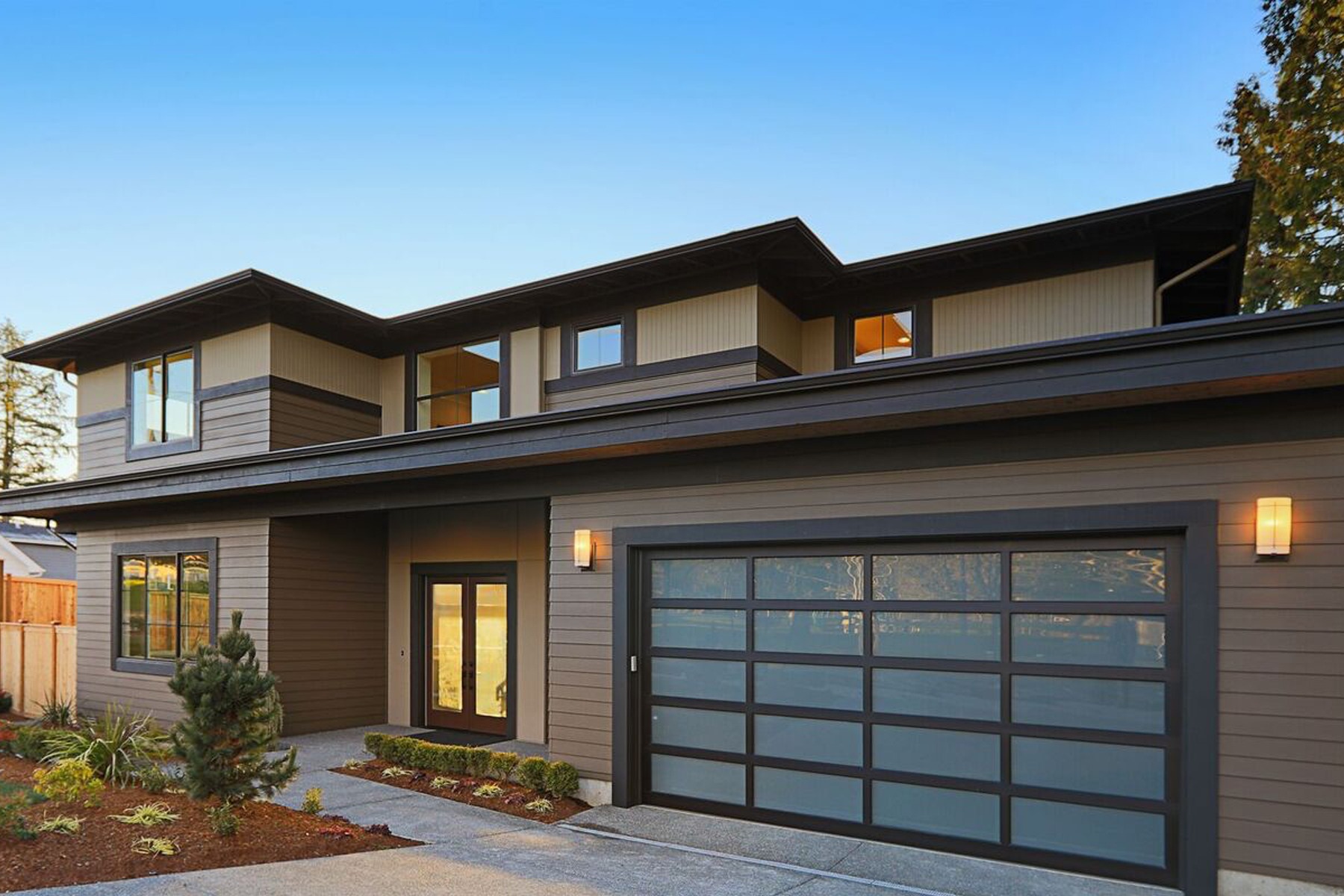
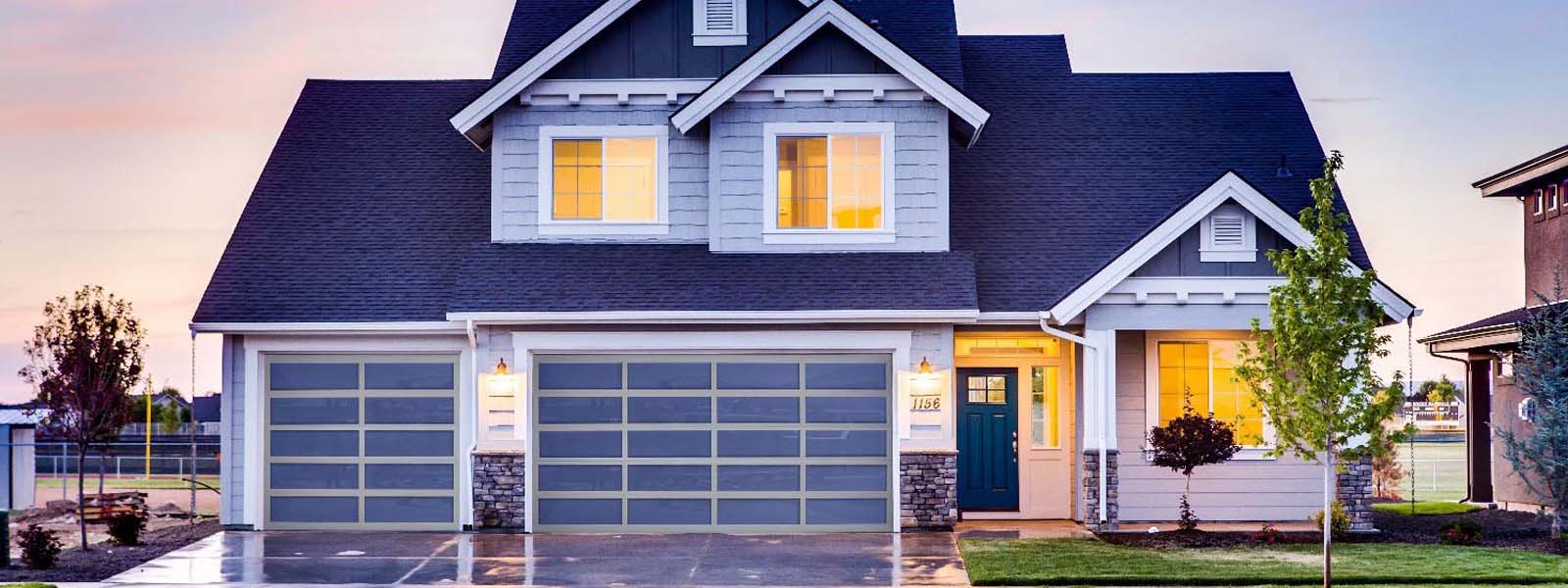
Each day, imagine entering your home through a beautiful, stylish, quality-built garage door. From the inside, whether doing weekend chores, a hobby project, or hosting an evening party that expands into your garage, a quality garage door elevates any home.
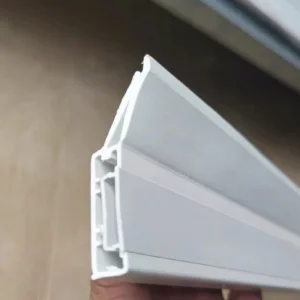
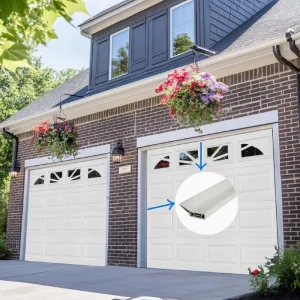
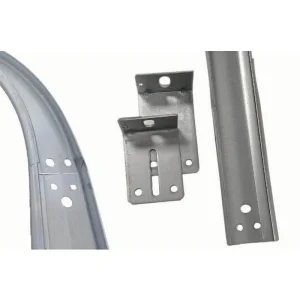
YVC Door garage doors are designed and manufactured for durability, quality and style. The precision-cut tongue-in-groove frame construction, extra-wide top and bottom rails, heavy-duty exterior-grade vinyl weather seal, and wide end stiles ensure a weather-tight fit for your garage door. For garages with over-sized sedans and SUVs, the 6063-T6 extruded aluminum alloy integrated internal strut maximizes backroom and headroom clearance.
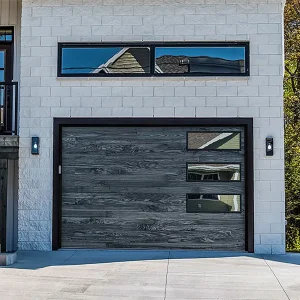
Our garage doors are fully customizable. We will work with you, your dealer, or architect to achieve the perfect look. Glass panels are available in white laminated, black laminated, clear laminated and clear tempered form. Aluminum alloy framing is available in clear, black, and dark bronze finishes, or choose a custom powder-coated finish. Stock door sizes are available in 8, 9, 16 and 18 foot widths, and 7 and 8 foot heights. Custom widths and heights are available by special order.
For assistance with sizing, measuring, selecting options, or finding an installer near you, please contact us.
Explore our high-performance range of weatherproofing, fast-acting barriers, and structural garage components serving Busan's architectural and logistics sectors.
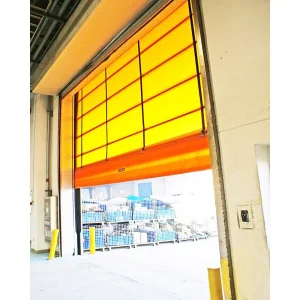
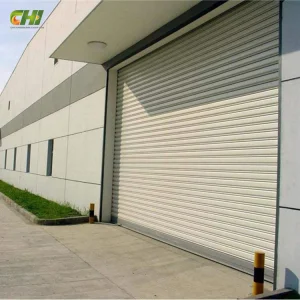
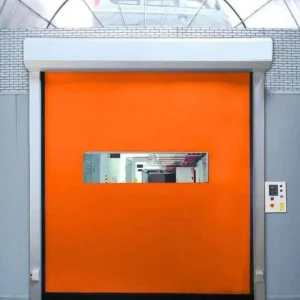
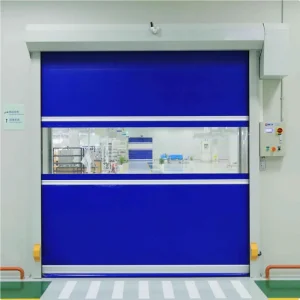
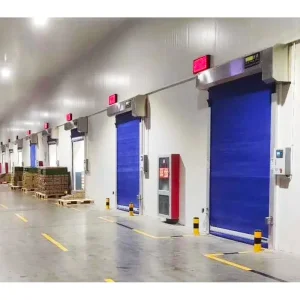
Modern architectural layouts in Busan increasingly utilize high-performance thermoplastic materials. For manufacturing operations and cold storage plants at the Busan New Port, maintaining temperature profiles requires industrial closures that can cycle at speeds of up to 2.5 meters per second. These high-speed vinyl zipper doors drastically reduce air exchange, stopping thermal transfer during high-volume operations.
Additionally, coastal regions are subject to extreme wind pressure during typhoons. Our specialized wind-resistant coiling systems feature high-strength alloy internal struts and flexible curtains designed to flex under heavy winds and return to their original tracks. Standard rigid steel panels risk structural bucking under heavy crosswinds, rendering them inoperable. In contrast, vinyl membranes handle dynamic distortion, absorbing energy and avoiding mechanical failure.
According to structural calculations based on Korean Building Code (KBC) standards for Busan coastal zones, external enclosures must withstand basic design wind speeds of up to 45 m/s. Our reinforced industrial vinyl assemblies are engineered with high-tensile polyester cores coated with flame-retardant PVC, offering robust performance in these demanding locations.
Material development continues to improve the life expectancy and performance of vinyl door panels. Our recent engineering iterations focus on three major advancements:
By blending traditional polyvinyl chloride with organic nano-clays, we have increased tensile strength while keeping the material flexible at low temperatures (down to -35°C). This makes the panels highly crack-resistant, making them ideal for sub-zero food logistics facilities throughout Busan.
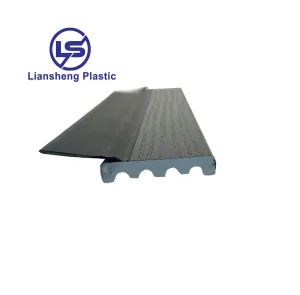
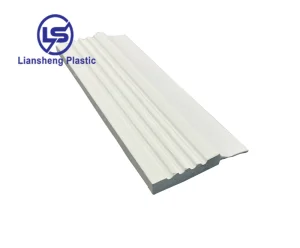
Our architectural profiles use a co-extruded design that bonds a highly UV-stabilized exterior PVC layer to a structurally rigid foam core. This provides excellent thermal insulation (low U-factors) while protecting the door's color and structural integrity from intense coastal UV rays.
We incorporate IoT-enabled variable frequency drive (VFD) controllers that link directly with factory management systems. Real-time diagnostic sensors monitor seal alignment, wind pressure resistance, and cycle counts, allowing for predictive maintenance scheduling and minimizing downtime.
Operating in South Korea requires strict adherence to local industrial regulations and structural codes. All of our vinyl doors are built to satisfy the standards set by the Korean Agency for Technology and Standards (KATS). Key local support benefits include:
Get in touch with our technical sales team for tailored wind-load assessments, precise U-factor calculations, and rapid supply schedules for the Busan Metropolitan Area.
Send Inquiry Now YVC Home